This healthy baked chicken breast is designed to be juicy, flavorful, and ready in under an hour. It is a versatile protein option that works perfectly for weeknight family dinners or organized meal prep.
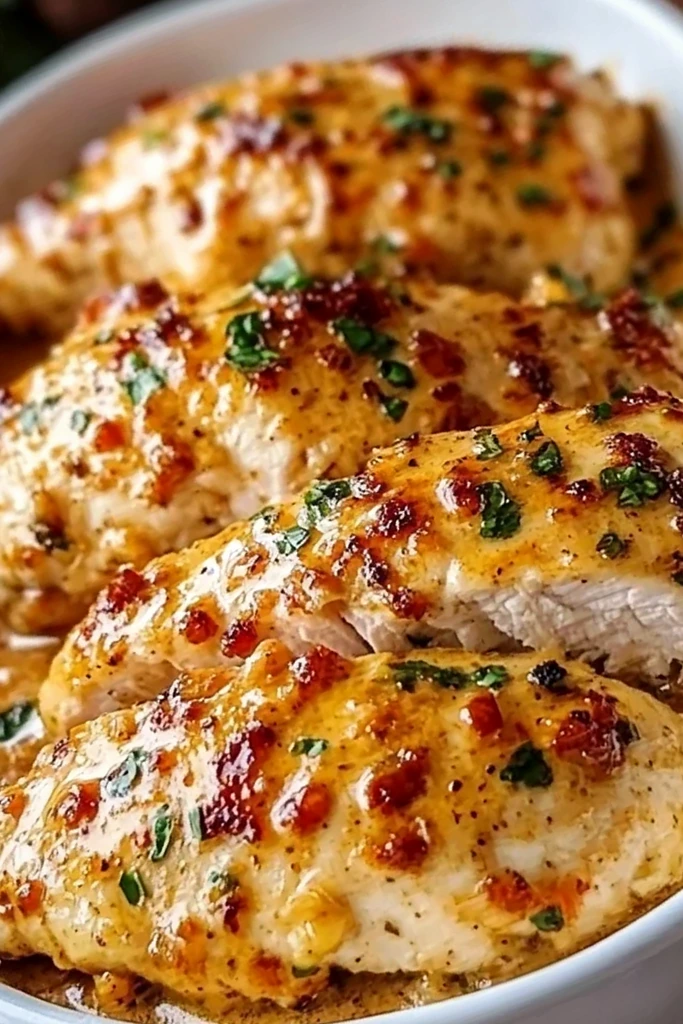
List of ingredients
- 4 pieces boneless, skinless chicken breasts – ensure they are high-quality for the best texture.
- 2 tablespoons olive oil – provides essential moisture and helps the spices adhere.
- 1 teaspoon garlic powder – adds a warm, aromatic base to the flavor profile.
- 1 teaspoon onion powder – provides a savory depth that enhances the chicken.
- 1 teaspoon paprika – adds a mild sweetness and a vibrant golden color.
- 1 teaspoon salt – essential for drawing out flavors and seasoning the meat.
- 1/2 teaspoon black pepper – adds a subtle heat and classic spice.
- 1 lemon, juiced – the acidity tenderizes the fibers and brightens the overall taste.
step-by-step instructions
- Preheat the Oven: Set your oven to 400°F (200°C) to ensure the chicken begins searing immediately upon entry.
- Mix the Marinade: In a medium mixing bowl, whisk together the olive oil, garlic powder, onion powder, paprika, salt, black pepper, and fresh lemon juice until well combined.
- Coat the Chicken: Place the four chicken breasts into the bowl and toss them thoroughly to ensure every surface is evenly coated in the spice mixture. Let the chicken marinate for at least 15 minutes to allow flavors to penetrate.
- Prepare for Baking: Transfer the marinated chicken breasts to a baking dish, leaving enough space between each piece to allow hot air to circulate.
- Bake: Place the dish in the center rack of the oven and bake for 25-30 minutes. Use a meat thermometer to confirm the internal temperature has reached 165°F (75°C).
- Rest the Meat: Remove the chicken from the oven and let it rest in the pan for 5 minutes before slicing. This allows the juices to redistribute through the meat.
Cooking Techniques for Maximum Juiciness
Use a Digital Meat Thermometer for Precision
The only way to guarantee juicy chicken is to avoid overcooking. Use an instant-read thermometer and insert it into the thickest part of the breast, ensuring you do not hit the bone or the pan. Remove the meat as soon as it hits 165°F (75°C) to prevent the proteins from tightening and squeezing out moisture.
The Science of the Resting Period
When chicken cooks, the muscle fibers contract and push juices toward the center of the meat. If you slice into the breast immediately, these juices escape onto the cutting board. Resting for 5 to 10 minutes allows the fibers to relax and reabsorb the liquid, resulting in a much moister slice.
Standardize the Thickness of the Meat
Chicken breasts vary in thickness, which often leads to the thin end drying out while the thick end remains raw. Use a meat mallet or a heavy skillet to gently pound the thickest part of the breast until it is an even thickness. This ensures that the entire piece of meat reaches the safe internal temperature at the exact same time.
Optimizing Oven Airflow
Avoid crowding the baking dish, as this creates steam rather than roasting the meat. When breasts are too close together, the edges remain pale and the cooking time increases. Leave at least one inch of space between each piece to allow the dry heat of the oven to brown the edges effectively.
Flavor Customizations and Substitutions
Integrating Fresh Garden Herbs
While powders are convenient, adding a tablespoon of chopped fresh rosemary or thyme can elevate the dish. Fresh herbs provide a more complex, floral aroma that pairs exceptionally well with the lemon juice. Stir these into the olive oil marinade just before coating the chicken.
Adding a Spicy Kick with Cayenne
For those who prefer a bolder heat, add a teaspoon of cayenne pepper or crushed red pepper flakes to the dry spice mix. This adds a sharp heat that cuts through the richness of the olive oil. Balance this heat by adding a tiny pinch of brown sugar to the marinade.
Swapping Lemon for Lime Juice
Using lime juice instead of lemon creates a zesty, tropical profile that works well for summer meals. Lime has a slightly different acidity level that complements the onion and garlic powders. This version is particularly delicious when served alongside cilantro-lime rice.
Creating a Sweet Honey Glaze
Whisk one tablespoon of honey into the marinade to create a beautiful caramelization on the surface of the chicken. The sugars in the honey brown quickly under the 400°F heat, creating a sticky, sweet crust. This variation is a favorite for those who enjoy a sweet and savory contrast.
Enhancing Depth with Smoked Paprika
Replace standard paprika with smoked paprika to give the chicken a wood-fired, barbecue flavor. Smoked paprika adds a rich, earthy depth that makes the dish taste as though it were grilled outdoors. It is particularly effective when paired with roasted root vegetables.
Adapting for an Asian-Inspired Profile
Substitute the olive oil with toasted sesame oil and add two tablespoons of soy sauce to the marinade. This replaces the salt and adds a deep umami flavor to the chicken. This version is best served sliced over a bed of steamed bok choy and jasmine rice.
Adding Tangy Dijon Mustard
Incorporate a tablespoon of Dijon mustard into the oil and lemon mixture for a sharp, tangy flavor. Mustard acts as an emulsifier, helping the marinade cling more effectively to the chicken. This adds a gourmet touch that pairs well with a side of steamed asparagus.
Applying a Nutty Crust for Texture
After marinating the chicken, press the breasts into a mixture of crushed almonds or pecans before placing them in the baking dish. The nuts toast in the oven, providing a crunchy contrast to the tender meat. This adds healthy fats and a satisfying textural element to the meal.
Storage and Preservation Guidelines
Proper Refrigeration Techniques
Store leftover baked chicken in an airtight glass or plastic container to prevent the meat from absorbing other odors in the fridge. Ensure the chicken has cooled slightly before sealing the lid to avoid trapping excessive steam, which can make the meat soggy. It will remain fresh and safe to eat for up to 3 days.
Freezing Cooked Chicken for Long-Term Use
To freeze, wrap individual chicken breasts tightly in foil or place them in a vacuum-sealed bag to prevent freezer burn. Removing as much air as possible is key to maintaining the texture of the meat. Cooked chicken can be stored in the freezer for up to 3 months without significant loss of quality.
The Best Way to Reheat Without Drying
Avoid the microwave if possible, as it often overcooks the edges of the meat. Instead, place the chicken in a baking dish with a tablespoon of water or chicken broth and cover it with foil. Reheat at 350°F (175°C) for 15-20 minutes, which gently steams the meat back to temperature.
Advanced Meal Prep Strategies
Executing Overnight Marination
For the most intense flavor, marinate the chicken for 12 to 24 hours in the refrigerator. The acid in the lemon juice has more time to break down the connective tissues, resulting in an even more tender texture. Store the chicken in a sealed zip-top bag to ensure the marinade stays in contact with all surfaces.
Freezing Marinated Raw Chicken
You can prepare several batches of marinated chicken and freeze them raw in individual bags. The chicken marinating process continues slowly during the thawing phase in the refrigerator. Simply move a bag from the freezer to the fridge the night before you plan to bake them.
Batch Cooking for Weekly Lunches
Bake a larger quantity of breasts on Sunday to use as a base for various meals throughout the week. Sliced cold chicken is excellent for salads, while warmed chicken works well in wraps or grain bowls. By prepping the protein in bulk, you reduce the daily cooking time and ensure healthy choices.
Troubleshooting and Common Fixes
Addressing Pink Meat After Baking
If the chicken appears slightly pink near the bone or in the center, it may not have reached the safe temperature of 165°F. Return the chicken to the oven for 5-minute increments, checking with a thermometer each time. Do not rely on color alone, as some chicken can remain pink even when fully cooked.
Preventing the Chicken from Drying Out
If you find your chicken is frequently dry, check your oven calibration with an oven thermometer. Many ovens run hotter than the dial indicates, which can overcook the meat quickly. Additionally, ensure you are using the marinade correctly, as the oil creates a barrier that locks in moisture.
Managing Uneven Browning
If the chicken is cooked through but lacks color, turn on the broiler for the last 2-3 minutes of cooking. Watch the meat closely during this time to prevent burning. This adds a professional, golden-brown finish to the top of the breasts without overcooking the interior.
Frequently Asked Questions
How can I make sure my chicken breasts stay juicy?
The key is to marinate the chicken in olive oil and lemon juice for at least 15 minutes and to use a meat thermometer. Pull the chicken out of the oven exactly when it reaches 165°F (75°C) and allow it to rest for 5 minutes before slicing.
What’s the best way to store leftover baked chicken breasts?
Store them in an airtight container in the refrigerator for up to 3-4 days. For longer storage, freeze them in a vacuum-sealed bag or tightly wrapped in foil for up to 3 months.
Can I freeze the marinated chicken breasts?
Yes, you can freeze them before baking. Place them in a freezer-safe bag and store them for up to 3 months, then thaw them overnight in the refrigerator before cooking.
What should I do if my chicken breast is still pink after baking?
Check the internal temperature with a meat thermometer. If it is below 165°F (75°C), return it to the oven in 5-minute intervals until it reaches the safe temperature.
How many servings does this recipe yield?
This recipe yields 4 servings, with each serving consisting of one boneless, skinless chicken breast. It is an ideal portion for a main course dinner.
Are there any dietary considerations with this recipe?
This recipe is naturally gluten-free and low-carb, making it suitable for ketogenic or paleo diets. To reduce fat, you can reduce the amount of olive oil, though this may slightly affect the juiciness.
Print Juicy Garlic and Herb Baked Chicken Breast
- Total Time: 40 minutes
- Yield: 4 servings 1x
- Diet: Gluten-free
Description
A simple and healthy baked chicken breast recipe that is juicy and flavorful, perfect for any meal.
Ingredients
- 4 pieces boneless, skinless chicken breasts
- 2 tablespoons olive oil
- 1 teaspoon garlic powder
- 1 teaspoon onion powder
- 1 teaspoon paprika
- 1 teaspoon salt
- 1/2 teaspoon black pepper
- 1 lemon juiced
Instructions
- Preheat: Preheat the oven to 400°F (200°C).
- Combine: In a mixing bowl, whisk together 2 tablespoons of olive oil, 1 teaspoon each of garlic powder, onion powder, paprika, salt, and 1/2 teaspoon black pepper, then add the juice of 1 lemon.
- Marinate: Add the 4 pieces of boneless, skinless chicken breasts to your marinade mixture and coat them evenly. Let them soak in those flavors for at least 15 minutes.
- Place: Gently transfer your flavorful chicken breasts into a baking dish, ensuring they’re spaced out for even cooking.
- Bake: Bake in the preheated oven for 25-30 minutes until its internal temperature reaches 165°F (75°C).
- Rest: Once out of the oven, let your beautifully baked chicken rest for about 5 minutes.
Notes
Serve with your choice of sides such as vegetables or rice for a complete meal.
- Prep Time: 15 minutes
- Cook Time: 25 minutes
- Category: Main Course
- Method: Baking
- Cuisine: American
Nutrition
- Serving Size: 1 serving
- Calories: 220 kcal
- Sugar: 3 g
- Sodium: 300 mg
- Fat: 8 g
- Saturated Fat: 1 g
- Unsaturated Fat: 7 g
- Trans Fat: 0 g
- Carbohydrates: 5 g
- Fiber: 1 g
- Protein: 40 g
- Cholesterol: 110 mg
Leave a Reply