This healthy baked chicken breast recipe provides a simple method for achieving juicy results every time. Using a zesty garlic and lemon marinade, the meat remains tender and flavorful throughout the baking process.
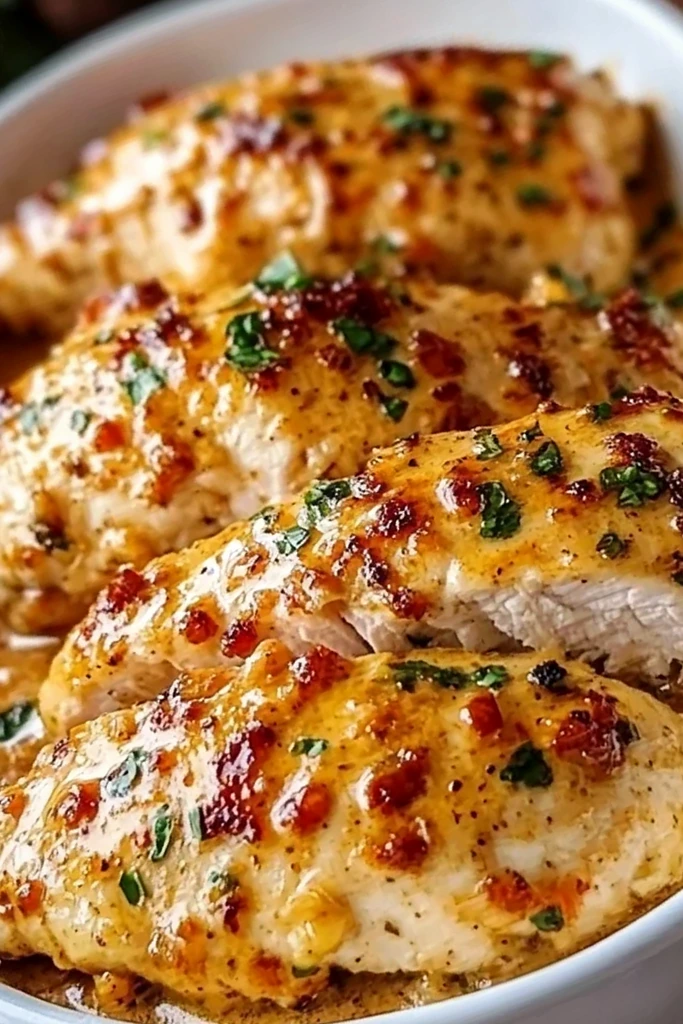
List of ingredients
- 4 pieces boneless, skinless chicken breasts – select high-quality cuts for the best texture.
- 2 tablespoons olive oil – ensures moisture and prevents sticking.
- 1 teaspoon garlic powder – provides a consistent aromatic base.
- 1 teaspoon onion powder – adds savory depth to the marinade.
- 1 teaspoon paprika – contributes a mild smokiness and golden color.
- 1 teaspoon salt – enhances the overall flavor profile.
- 1/2 teaspoon black pepper – adds a subtle spicy contrast.
- 1 lemon, juiced – tenderizes the meat and adds brightness.
step-by-step instructions
- Preheat Oven: Set your oven to 400°F (200°C) to ensure a hot environment for even cooking.
- Mix Marinade: In a mixing bowl, combine the olive oil, garlic powder, onion powder, paprika, salt, black pepper, and lemon juice.
- Coat Chicken: Place the chicken breasts in the bowl and coat them thoroughly with the marinade; let them soak for at least 15 minutes.
- Arrange in Dish: Place the marinated chicken breasts in a baking dish, leaving enough space between each piece for air circulation.
- Bake: Cook in the preheated oven for 25-30 minutes or until the internal temperature reaches 165°F (75°C).
- Rest Meat: Remove from the oven and let the chicken rest for 5 minutes before slicing to lock in the juices.
Professional Baking Techniques
Allowing Sufficient Marination Time
While 15 minutes is the minimum requirement, marinating for one hour or more allows the acid from the lemon juice to penetrate deeper. This breaks down tough fibers and ensures the flavor reaches the center of the breast. For maximum intensity, you can marinate for up to 24 hours in the refrigerator.
Checking Internal Temperature with a Thermometer
The most reliable way to prevent dry chicken is using a digital meat thermometer. Remove the chicken from the oven as soon as the thickest part reaches 165°F (75°C). Overcooking by even a few degrees can lead to a rubbery texture.
Allowing the Chicken to Rest After Baking
Resting the meat for 5 minutes allows the juices to redistribute from the center to the edges. If you slice the chicken immediately, the accumulated juices will run out onto the plate. This short wait ensures each bite remains moist.
Using Uniformly Sized Chicken Breasts
Chicken breasts often vary in thickness, which can lead to some pieces overcooking while others stay raw. If the breasts are uneven, lightly pound the thicker end with a meat mallet. This ensures the entire piece cooks at the same rate.
Flavor Variations and Substitutions
Adding Fresh Rosemary or Thyme
For a more gourmet flavor, stir 1 tablespoon of chopped fresh rosemary or thyme into the marinade. These woody herbs complement the garlic and lemon perfectly. Ensure the herbs are finely chopped so they adhere to the meat during baking.
Using Cayenne or Chili Powder for Heat
If you prefer a spicier dish, add 1 teaspoon of cayenne pepper or chili powder to the spice mix. This adds a warm, lingering heat that balances well with the acidity of the lemon. Adjust the amount based on your personal heat tolerance.
Substituting Lime Juice for Lemon Juice
Lime juice provides a different citrus profile that is slightly more tart and tropical than lemon. This substitution works exceptionally well if you plan to serve the chicken with cilantro or rice. Use the same quantity as the lemon juice.
Adding Honey for Caramelization
Mixing 1 tablespoon of honey into the marinade adds a hint of sweetness and helps the chicken brown. The sugars in the honey caramelize under the high heat of the oven. This creates a glossy finish and a sweet-savory flavor balance.
Using Smoked Paprika for a Richer Flavor
Replace standard paprika with smoked paprika to introduce a deeper, charred aroma. This gives the chicken a taste reminiscent of outdoor grilling without needing a barbecue. It adds complexity to the simple herb profile.
Integrating Soy Sauce and Sesame Oil
For an Asian-inspired twist, replace the olive oil with sesame oil and add 2 tablespoons of soy sauce. Reduce the added salt in the recipe, as soy sauce is naturally salty. This version pairs excellently with steamed bok choy or white rice.
Adding Dijon Mustard for Tanginess
Stir in 1 tablespoon of Dijon mustard to create a thicker marinade with a pungent kick. Mustard acts as an emulsifier, helping the oil and lemon juice cling more effectively to the meat. It adds a sophisticated tang that pairs well with roasted carrots.
Applying a Crust of Crushed Almonds or Pecans
After marinating and before baking, press a layer of crushed almonds or pecans onto the top of each breast. The nuts toast in the oven, providing a crunchy texture that contrasts with the tender meat. This also adds a rich, nutty flavor to the dish.
Storage and Meal Preparation
Storing Leftovers in the Refrigerator
Place cooked chicken in an airtight container once it has cooled to room temperature. Store it in the refrigerator for up to 3 days. To maintain moisture, ensure the seal is tight to prevent the meat from drying out in the cold air.
Freezing Cooked Chicken for Long-Term Use
For longer preservation, wrap individual chicken breasts in foil and place them in a freezer-safe bag. Remove as much air as possible to prevent freezer burn. Cooked chicken can be stored in the freezer for up to 3 months.
Reheating Chicken Without Drying It Out
Thaw frozen chicken in the refrigerator overnight before reheating. Place the chicken in a baking dish and add a teaspoon of water or broth to the bottom. Reheat at 350°F (175°C) for 15-20 minutes until warmed through.
Marinating Chicken in Advance for Meal Prep
You can prepare the marinade and coat the chicken up to 24 hours before you plan to cook. Store the marinated meat in a sealed container in the fridge. When ready to eat, simply transfer them to the oven, which saves significant time on busy weeknights.
Serving Suggestions
Serving with Rice or Quinoa
Baked chicken breasts pair well with fluffy white rice, brown rice, or protein-rich quinoa. To enhance the side dish, cook the grains in vegetable broth instead of water. This adds an extra layer of flavor that complements the garlic marinade.
Pairing with Roasted or Steamed Vegetables
Roasted broccoli, Brussels sprouts, or steamed asparagus are excellent low-carb accompaniments. You can roast the vegetables on the same tray as the chicken if the dish is large enough. This allows the vegetables to soak up some of the flavorful pan juices.
Serving Alongside Fresh Garden Salads
Slice the rested chicken and place it atop a bed of mixed greens, cucumbers, and cherry tomatoes. A light vinaigrette with lemon and olive oil mirrors the flavors of the chicken. This creates a light, nutritious meal perfect for lunch or dinner.
Common Questions and Troubleshooting
How can I ensure my chicken breasts stay juicy?
The key is to avoid overcooking. Use a meat thermometer to ensure the internal temperature hits exactly 165°F (75°C) and never skip the 5-minute resting period. The marinade also provides a protective layer that locks in moisture during the baking process.
What is the best way to store leftover baked chicken?
Store leftovers in a glass airtight container in the refrigerator. If you are using the chicken for salads the next day, you can slice it while cold for cleaner cuts. Keep the chicken refrigerated and consume it within 72 hours for optimal quality.
Can I freeze the chicken while it is still in the marinade?
Yes, you can freeze raw chicken breasts in the marinade for up to 3 months. Place them in a heavy-duty freezer bag and squeeze out all the air. Thaw them completely in the refrigerator before baking as directed in the instructions.
What should I do if the chicken is still pink after baking?
If the chicken is pink, it likely has not reached the safe internal temperature of 165°F (75°C). Return it to the oven in 5-minute increments. Check the center of the thickest breast with a thermometer to ensure it is fully cooked.
How many servings does this recipe provide?
This recipe yields 4 servings, with each serving consisting of one boneless, skinless chicken breast. Each serving contains approximately 220 calories. This makes it a high-protein option suitable for family meals or individual portioning.
Is this recipe suitable for low-carb or gluten-free diets?
Yes, this recipe is naturally gluten-free and very low in carbohydrates. It fits well within ketogenic and paleo dietary frameworks. To further reduce fat, you can use a light oil spray instead of 2 tablespoons of olive oil.
Print Juicy Baked Garlic and Herb Chicken Breast
- Total Time: 40 minutes
- Yield: 4 servings 1x
- Diet: Gluten-free, Low-carb, Keto
Description
A simple and healthy baked chicken breast recipe that is juicy and flavorful, perfect for any meal.
Ingredients
- 4 pieces boneless, skinless chicken breasts
- 2 tablespoons olive oil
- 1 teaspoon garlic powder
- 1 teaspoon onion powder
- 1 teaspoon paprika
- 1 teaspoon salt
- 1/2 teaspoon black pepper
- 1 lemon juiced
Instructions
- Preheat: Preheat the oven to 400°F (200°C).
- Mix: In a mixing bowl, combine olive oil, garlic powder, onion powder, paprika, salt, black pepper, and lemon juice.
- Marinate: Add the chicken breasts to the marinade and coat evenly. Let it marinate for at least 15 minutes.
- Place: Place the marinated chicken breasts in a baking dish.
- Bake: Bake in the preheated oven for 25-30 minutes, or until the internal temperature reaches 165°F (75°C).
- Rest: Remove from the oven and let rest for 5 minutes before slicing.
Notes
Serve with your choice of sides such as vegetables or rice for a complete meal.
- Prep Time: 15 minutes
- Cook Time: 25 minutes
- Category: Main Course
- Method: Baking
- Cuisine: American
Nutrition
- Serving Size: 1 serving
- Calories: 220 kcal
- Sugar: 3 g
- Sodium: 300 mg
- Fat: 8 g
- Saturated Fat: 1 g
- Unsaturated Fat: 7 g
- Trans Fat: 0 g
- Carbohydrates: 4 g
- Fiber: 1 g
- Protein: 40 g
- Cholesterol: 110 mg
Leave a Reply