Achieving juicy chicken breast requires a combination of proper preparation and a controlled simmering process. This recipe uses a creamy sauce and a pounding technique to ensure every bite is tender and flavorful.
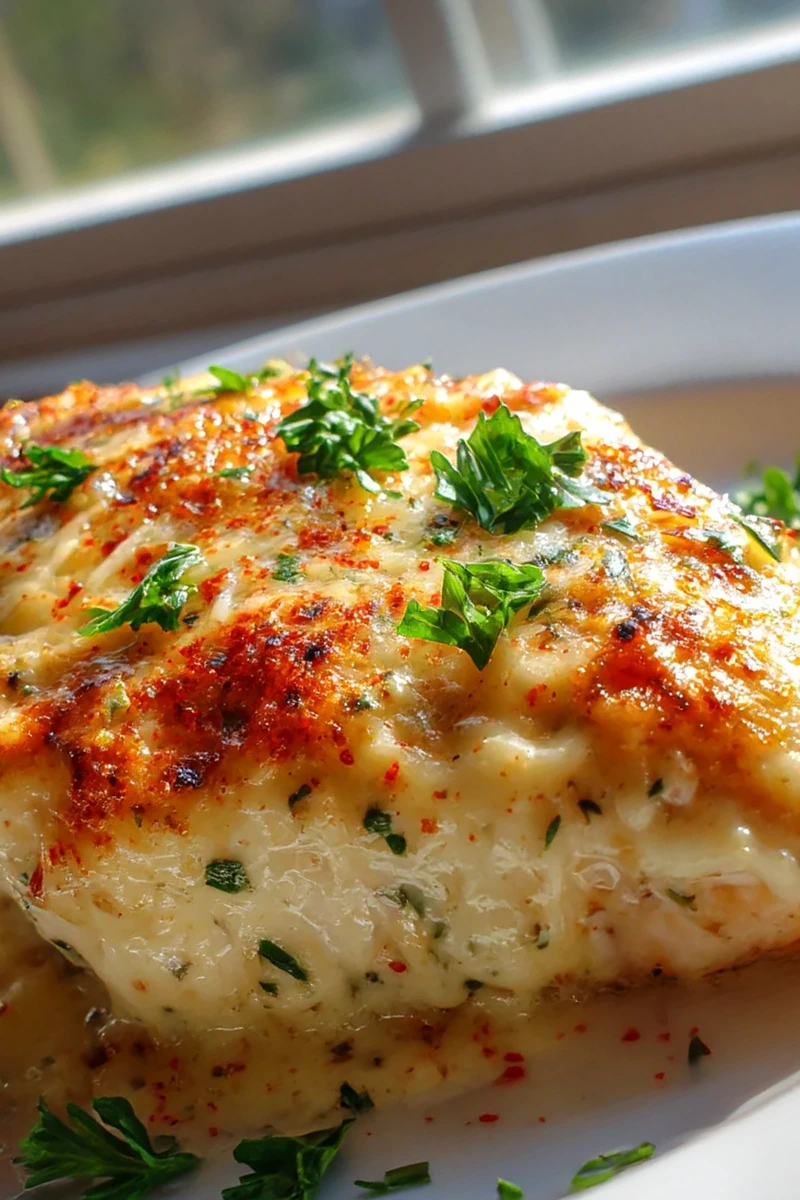
List of ingredients
- 2 large boneless, skinless chicken breasts – pounded to even thickness.
- Cream cheese – softened to room temperature for a smooth sauce.
- Low-sodium chicken broth – used as the savory liquid base.
- 3-4 cloves of freshly minced garlic – provides aromatic depth.
- Fresh lemon juice – added at the end to brighten the flavor.
- Dried Italian seasoning – a blend for savory herbal notes.
- Olive oil – used for searing the meat.
- Salt – for seasoning and flavor enhancement.
- Black pepper – for a touch of spice and warmth.
step-by-step instructions
- Prepare the Chicken: Place boneless, skinless chicken breasts one at a time between two pieces of plastic wrap or in a large resealable bag. Use a meat mallet or rolling pin to pound them evenly to about 1/2-inch thickness. Pat the meat dry with paper towels and season both sides generously with salt and black pepper.
- Sear the Chicken: Heat a large skillet over medium-high heat and add 1 tablespoon of olive oil. Once the oil shimmers, place the seasoned chicken in the pan and sear for 3-4 minutes per side until golden brown and caramelized. Remove the chicken and set it aside on a plate.
- Sauté the Aromatics: Reduce the heat to medium and add another teaspoon of olive oil if the pan is dry. Add the minced garlic and cook for 30-60 seconds, stirring constantly to prevent burning.
- Build the Creamy Sauce: Pour the chicken broth into the skillet and scrape the browned bits from the bottom of the pan. Bring to a gentle simmer, then reduce heat to low and add the softened cream cheese. Whisk constantly until the cheese is fully melted and the sauce is smooth.
- Season the Sauce: Stir in the dried Italian seasoning and a pinch more salt and pepper. Taste the sauce and adjust the seasoning as needed.
- Simmer the Chicken: Return the seared chicken breasts to the skillet, nestling them into the sauce. Cover the pan and simmer for 8-12 minutes, or until the internal temperature reaches 165°F (74°C).
- Finish and Serve: Remove the pan from the heat and stir in the fresh lemon juice. Sprinkle in fresh herbs if desired and let the chicken rest in the sauce for a few minutes before serving.
Expert Techniques for Maximum Tenderness
Pounding Chicken for Uniform Thickness
Pounding the chicken breasts is the most critical step for ensuring a juicy result. When breasts are uneven, the thinner end overcooks and dries out before the thicker center reaches a safe temperature. Using a mallet to create a consistent 1/2-inch thickness allows the meat to cook rapidly and evenly.
Using an Instant-Read Thermometer for Precision
Chicken breast has a very narrow window between being perfectly cooked and becoming dry. An instant-read thermometer allows you to pull the meat from the heat the moment it hits 165°F (74°C). This prevents the common mistake of overcooking based on visual cues alone.
Allowing the Meat to Rest Before Serving
Resting the chicken for several minutes after cooking allows the muscle fibers to relax. This process redistributes the internal juices throughout the meat rather than letting them run out upon the first cut. Resting the chicken inside the sauce also allows it to absorb more of the creamy flavors.
Ingredient Substitutions and Customizations
Substituting Chicken Broth with Vegetable Options
If you do not have chicken broth on hand, low-sodium vegetable broth is an excellent alternative. It provides a similar savory base without significantly altering the flavor profile of the cream sauce. This is a great way to keep the recipe flexible based on your pantry staples.
Using Low-Fat or Alternative Cream Cheeses
While full-fat cream cheese provides the richest texture, reduced-fat versions can be used for a lighter sauce. If using a lower-fat version, be mindful that the sauce may be slightly thinner. You can compensate for this by simmering the sauce for an extra minute before adding the chicken back in.
Introducing Red Pepper Flakes for Spicy Flavor
For those who prefer a bit of heat, adding a pinch of crushed red pepper flakes during the garlic sauté phase is highly effective. The oil helps release the capsaicin in the flakes, distributing the spice evenly through the cream sauce. This adds a subtle kick that complements the lemon juice.
Adding Mushrooms or Spinach for Extra Nutrition
You can easily turn this into a one-pan meal by adding vegetables. Sauté sliced mushrooms with the garlic or stir in fresh baby spinach at the very end until wilted. These additions add texture and nutrients without requiring a separate cooking pot.
Incorporating Parmesan for a Saltier Profile
Stirring in a handful of freshly grated Parmesan cheese along with the cream cheese adds a sharp, nutty dimension to the sauce. If you add Parmesan, reduce the additional salt used in the seasoning step to keep the sodium levels balanced. The extra cheese also helps thicken the sauce naturally.
Experimenting with Different Herb Blends
While Italian seasoning is a standard choice, you can swap it for dried thyme and rosemary for a more earthy flavor. For a brighter, more summer-like profile, try using dried dill or parsley. Fresh herbs added at the final step provide the most vibrant color and aroma.
Serving Suggestions
Serving Over Rice or Mashed Potatoes
The creamy sauce is the highlight of this dish, and serving it over a starch allows you to enjoy every drop. Fluffy white rice, brown rice, or creamy mashed potatoes provide a neutral base that balances the richness of the cream cheese. This makes the meal feel more substantial and filling.
Pairing with Steamed Green Beans or Salad
To balance the richness of the dairy sauce, pair the chicken with a crisp, fresh side. Steamed green beans with a squeeze of lemon or a garden salad with a light vinaigrette provide a necessary acidic contrast. This prevents the palate from feeling overwhelmed by the creaminess.
Serving with Crusty Bread for Sauce Dipping
A side of warm, toasted baguette or crusty sourdough bread is ideal for this recipe. The bread can be used to soak up the remaining sauce from the plate. This is a practical way to ensure none of the flavorful cream sauce goes to waste.
Storage and Reheating Guidelines
Cooling and Refrigerating Leftovers Properly
Allow the chicken and sauce to cool to room temperature before transferring them to an airtight container. This prevents excess condensation from forming inside the container, which can make the sauce watery. Store the dish in the refrigerator for up to 3-4 days.
Warming Creamy Sauces Without Separation
Dairy-based sauces can separate or break if heated too quickly. Reheat the chicken in a skillet over low heat, adding a splash of chicken broth or water to loosen the sauce. Stir gently and frequently until the sauce becomes smooth and the chicken is heated through.
Guidelines for Freezing Dairy-Based Chicken
Freezing is possible, but cream cheese sauces can sometimes become grainy upon thawing. To minimize this, freeze the chicken and sauce in a freezer-safe container for up to 2 months. Thaw the meal slowly in the refrigerator overnight before reheating gently on the stove.
Common Questions
How can I prevent the cream sauce from breaking?
To keep the sauce smooth, always ensure the cream cheese is softened to room temperature before adding it to the broth. Additionally, keep the heat on low when whisking in the cheese; boiling the sauce too vigorously can cause the fats to separate from the liquids.
Can I use chicken thighs instead of breasts?
Yes, you can use boneless, skinless chicken thighs, though they contain more fat and have a different texture. Thighs do not need to be pounded as they are naturally more tender, but they may require a slightly longer simmering time to ensure they are fully cooked.
What is the best way to pound chicken without tearing it?
Always place the chicken between two sheets of plastic wrap or inside a sealed plastic bag. This protects the meat from tearing and prevents raw chicken juices from splashing onto your counter. Use a flat-faced meat mallet or a heavy rolling pin for an even surface.
How do I make the sauce thicker if it is too runny?
If the sauce is too thin, you can simmer it uncovered for a few minutes to allow the liquid to reduce. Alternatively, whisk one teaspoon of cornstarch into one tablespoon of cold water to create a slurry, then stir this into the simmering sauce for a few minutes until thickened.
Can I use dried garlic instead of fresh?
Dried garlic powder can be used, but it lacks the pungent, aromatic quality of fresh minced garlic. If using powder, use about 1/4 teaspoon for every clove called for in the recipe and add it during the broth stage rather than sautéing it in oil to avoid burning.
Print Tender and Juicy Creamy Chicken Breast
- Total Time: 35 minutes
- Yield: 2 servings 1x
- Diet: General
Description
This Melt In Your Mouth Chicken Breast recipe transforms bland poultry into an incredibly tender and juicy dish. It’s simple to prepare and perfect for both weeknight dinners and special occasions.
Ingredients
- 2 large boneless, skinless chicken breasts
- Cream cheese (softened to room temperature)
- Low-sodium chicken broth
- 3–4 cloves of freshly minced garlic
- Fresh lemon juice
- Dried Italian seasoning
- Olive oil
- Salt
- Black pepper
Instructions
- Prepare the Chicken: Take your boneless, skinless chicken breasts and place them one at a time between two pieces of plastic wrap or in a large resealable bag. Using a meat mallet or a rolling pin, pound them evenly to about 1/2-inch thickness. Pat them dry with paper towels and season generously on both sides with salt and black pepper.
- Sear the Chicken: Heat a large skillet over medium-high heat and add about 1 tablespoon of olive oil. Once the oil shimmers, carefully place the seasoned chicken breasts in the hot pan. Sear them for 3-4 minutes per side until they’re golden brown and lightly caramelized. Remove the chicken from the skillet and set aside on a plate.
- Sauté the Aromatics: Reduce the heat to medium. If the pan looks dry, add another teaspoon of olive oil. Add the minced garlic to the skillet and cook for about 30-60 seconds, stirring constantly, until fragrant.
- Build the Creamy Sauce: Pour the chicken broth into the skillet, scraping up any browned bits from the bottom of the pan. Bring the broth to a gentle simmer. Reduce the heat to low, then add the softened cream cheese to the simmering broth. Whisk constantly until the cream cheese is fully melted and the sauce is smooth.
- Season the Sauce: Stir in your dried Italian seasoning and a good pinch more of salt and pepper. Taste the sauce and adjust seasonings as needed.
- Simmer the Chicken: Return the seared chicken breasts to the skillet, nestling them into the creamy sauce. Cover the skillet and let the chicken gently simmer in the sauce for 8-12 minutes, or until the chicken is cooked through and registers an internal temperature of 165°F (74°C).
- Finish and Serve: Remove the skillet from the heat. Stir in the fresh lemon juice. If using fresh herbs, sprinkle them in. Let the chicken rest in the sauce for a few minutes before serving.
Notes
Pounding the chicken breasts to an even thickness ensures they cook quickly and uniformly. Use an instant-read thermometer to avoid overcooking, and let the chicken rest after cooking to keep it moist.
- Prep Time: 15 minutes
- Cook Time: 20 minutes
- Category: Dinner
- Method: Searing
- Cuisine: American
Nutrition
- Serving Size: 1 chicken breast with sauce
- Calories: 400 kcal
- Sugar: 2 g
- Sodium: 600 mg
- Fat: 25 g
- Saturated Fat: 10 g
- Unsaturated Fat: 15 g
- Trans Fat: 0 g
- Carbohydrates: 5 g
- Fiber: 0 g
- Protein: 40 g
- Cholesterol: 120 mg
Leave a Reply