This quick seafood dish combines rich butter, pungent garlic, and salty parmesan cheese for a gourmet meal. It takes only 20 minutes to prepare, making it an ideal choice for busy weeknights or entertaining guests.
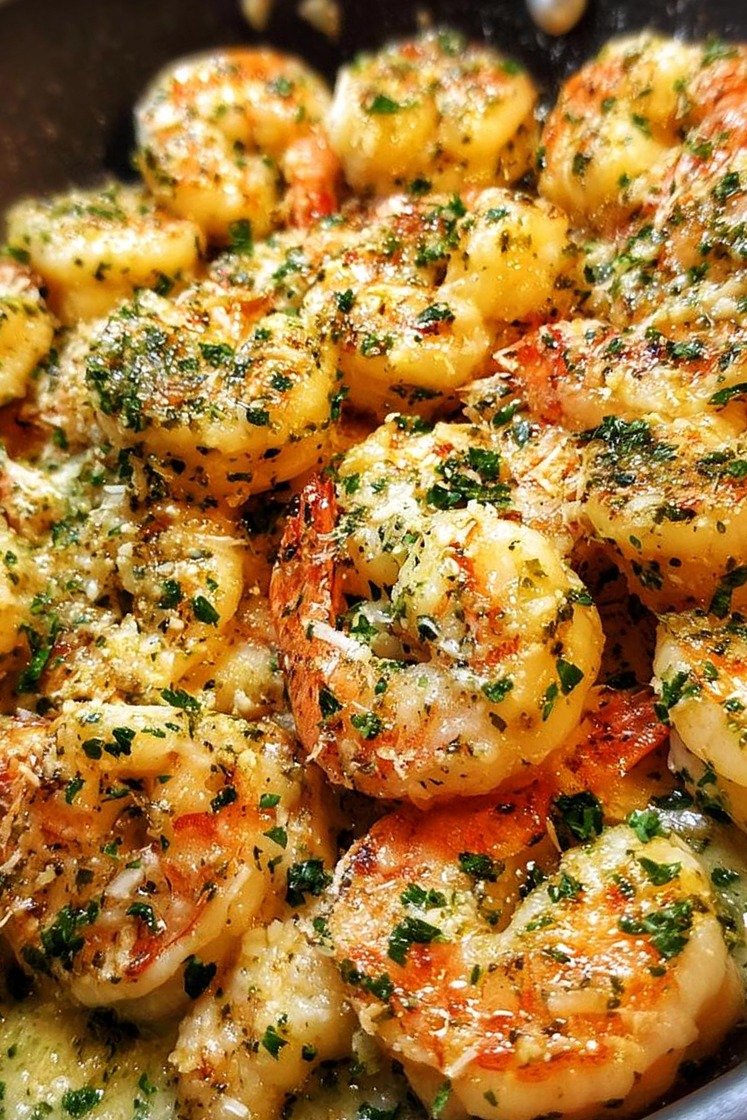
List of ingredients
- 1 lb shrimp, peeled and deveined – pat these dry for better searing.
- 4 cloves garlic, minced – use fresh cloves to ensure maximum aroma.
- 1/4 cup butter – unsalted butter is preferred to maintain control over seasoning.
- 1/2 cup grated parmesan cheese – freshly grated cheese melts more evenly than pre-shredded options.
- 1 tablespoon lemon juice – fresh lemon juice provides a necessary acidic balance.
- Salt and pepper to taste – essential for enhancing the natural flavor of the seafood.
- Fresh parsley – finely chopped to provide a bright, fresh finish.
step-by-step instructions
- Melt Butter: Place a large skillet over medium heat and melt 1/4 cup of butter. Monitor the heat to ensure the butter does not brown or burn.
- Sauté Garlic: Add the minced garlic to the melted butter. Sauté for approximately 1 minute, stirring constantly until the garlic is fragrant but not browned.
- Cook Shrimp: Add the peeled and deveined shrimp to the pan. Season with salt and pepper, then cook for 3 to 4 minutes. Turn the shrimp occasionally until they become pink and opaque.
- Add Flavorings: Stir in the grated parmesan cheese and the lemon juice. Mix thoroughly to coat the shrimp in the cheese mixture.
- Final Simmer: Continue cooking for an additional 2 minutes. Stir frequently to ensure the cheese melts and forms a cohesive sauce.
- Garnish: Remove the skillet from the heat. Sprinkle chopped fresh parsley over the shrimp before serving.
Pro Tips for Perfect Shrimp Texture
The most common mistake when cooking shrimp is overcooking them. Shrimp cook very quickly and can turn from tender to rubbery in less than a minute. Watch for the shape of the shrimp; they are perfectly cooked when they form a ‘C’ shape.
If the shrimp curl tightly into an ‘O’ shape, they are likely overcooked. To prevent this, remove the pan from the heat as soon as the shrimp turn opaque. The residual heat from the pan will finish the cooking process without toughening the meat.
Ensure your shrimp are completely thawed before they hit the pan. If you use frozen shrimp that are still icy, they will release excess water. This causes the shrimp to steam rather than sauté, preventing them from developing a golden-brown exterior.
Patting the shrimp dry with paper towels before adding them to the butter is a critical step. Removing surface moisture allows the shrimp to sear immediately. This creates a better texture and helps the garlic butter sauce adhere to the protein.
Selecting the Right Ingredients
When buying shrimp, look for those with a mild, salty scent like the ocean. Avoid any shrimp that smell strongly of ammonia, as this indicates they are no longer fresh. Medium to large shrimp work best for this recipe as they hold up well to the sautéing process.
Freshly grated parmesan cheese is highly recommended over the canned variety. Pre-shredded cheeses often contain anti-caking agents like cellulose. These additives can prevent the cheese from melting smoothly into the butter, resulting in a grainy sauce.
For the garlic, use fresh cloves rather than pre-minced jarred garlic. Fresh garlic contains volatile oils that provide a sharper, more authentic flavor. Minced garlic loses its potency quickly, so chop your cloves immediately before starting the cooking process.
Use a high-quality unsalted butter. This allows you to control the exact amount of sodium in the dish, which is important because parmesan cheese is naturally quite salty. If you only have salted butter, reduce the amount of additional salt you add during the cooking phase.
Recommended Side Dish Pairings
This shrimp dish is versatile and pairs well with various bases. For a classic Italian-style meal, serve the shrimp over linguine or angel hair pasta. The garlic parmesan sauce acts as a rich coating for the noodles.
If you prefer a lower-carbohydrate option, serve the shrimp over a bed of sautéed spinach or zoodles (zucchini noodles). The acidity of the lemon juice in the sauce complements the earthiness of the greens perfectly.
White rice or quinoa are also excellent choices for soaking up the extra butter sauce. To add more nutrition, you can serve the shrimp alongside steamed broccoli or roasted asparagus. These vegetables provide a crisp contrast to the richness of the cheese.
For a crusty accompaniment, serve the dish with toasted sourdough or a French baguette. The bread is perfect for dipping into the remaining garlic parmesan butter left in the skillet after the shrimp are plated.
Dietary Substitutions and Variations
To make this recipe dairy-free, substitute the butter with a plant-based butter alternative or olive oil. Replace the parmesan cheese with nutritional yeast, which provides a similar nutty and salty flavor profile without the animal products.
If you want to change the protein, this method works well with sea scallops or diced chicken breast. If using chicken, increase the cooking time for the protein phase to ensure the meat is cooked through to an internal temperature of 165°F.
For those who enjoy heat, add a pinch of crushed red pepper flakes when sautéing the garlic. This introduces a subtle spicy kick that cuts through the richness of the butter and parmesan.
You can also incorporate vegetables directly into the skillet. Add cherry tomatoes or sliced mushrooms during the shrimp cooking phase. These additions add color and a different layer of flavor to the final dish.
Detailed Storage and Reheating Guide
Leftover garlic parmesan shrimp should be stored in an airtight container. Place them in the refrigerator as soon as they have cooled to room temperature. These will stay fresh and safe to eat for up to two days.
Avoid freezing this dish. Shrimp can change texture significantly when frozen after being cooked, often becoming mushy. It is best to freeze shrimp raw and cook them fresh for the best dining experience.
When reheating, avoid using the microwave if possible. Microwaving seafood often leads to overcooking and a rubbery texture. Instead, place the leftovers in a small skillet over low heat.
Add a teaspoon of butter or a splash of water to the pan during reheating. This helps re-emulsify the parmesan sauce and prevents the shrimp from drying out. Heat gently until the sauce is bubbly and the shrimp are warmed through.
Make-Ahead Preparation Strategies
While the final cooking process is fast, you can save time by prepping ingredients in advance. Peel and devein the shrimp several hours before cooking. Store them in a sealed container in the refrigerator.
Mince the garlic and chop the parsley ahead of time. Keep the chopped parsley in a small container with a damp paper towel to keep it from wilting before it is used for garnish.
Grate your parmesan cheese in advance and store it in an airtight container. This ensures that when you are ready to cook, you can focus entirely on the timing of the shrimp to avoid overcooking.
Measure out your lemon juice and have your salt and pepper ready. Having a ‘mise en place’ (everything in its place) is especially important for fast-cooking recipes where seconds matter.
Troubleshooting Common Issues
If your sauce is too thick or clumpy, it is likely due to the cheese not melting properly. This can happen if the heat is too high or if you used pre-shredded cheese. Add a tablespoon of water or a small knob of butter and stir on low heat to smooth it out.
If the garlic tastes bitter, it may have burned during the sauté process. Burnt garlic cannot be fixed, so it is important to keep the garlic moving in the pan and remove it as soon as it becomes fragrant.
If the dish tastes too salty, increase the amount of lemon juice. The acid in the lemon helps neutralize the perception of salt. You can also serve the shrimp over an unseasoned starch, like plain white rice, to balance the flavor.
If the shrimp are releasing too much water in the pan, you may have overcrowded the skillet. Cook the shrimp in batches if necessary. This ensures there is enough room for each piece to sear rather than boil in its own juices.
Frequently Asked Questions
Can I use frozen shrimp? Yes, frozen shrimp are perfectly fine. However, they must be completely thawed. Thaw them in the refrigerator overnight or place the sealed bag in a bowl of cold water for a faster result.
Is this recipe gluten-free? Yes, this recipe is naturally gluten-free. All the primary ingredients, including butter, garlic, and cheese, do not contain gluten. Ensure your parmesan cheese brand is certified gluten-free if you have a severe allergy.
Can I use a different cheese? While parmesan is traditional, you can use Pecorino Romano for a saltier taste. Avoid using soft cheeses like mozzarella, as they will stretch rather than create a smooth sauce.
How do I know when the shrimp are done? Look for the color change from translucent gray to an opaque pinkish-white. Once they form a slight curve, they are ready to be finished with the cheese and lemon.
Print Savory Garlic Parmesan Shrimp
- Total Time: 20 minutes
- Yield: 4 servings 1x
- Diet: Gluten Free
Description
A delicious garlic parmesan shrimp dish that is quick and easy to prepare.
Ingredients
- 1 lb shrimp, peeled and deveined
- 4 cloves garlic, minced
- 1/4 cup butter
- 1/2 cup grated parmesan cheese
- 1 tablespoon lemon juice
- Salt and pepper to taste
- Fresh parsley for garnish
Instructions
- Melt: In a large skillet, melt the butter over medium heat.
- Sauté: Add the minced garlic and sauté for 1 minute until fragrant.
- Cook: Add the shrimp, salt, and pepper. Cook for 3-4 minutes until shrimp are pink and opaque.
- Mix: Stir in the parmesan cheese and lemon juice.
- Combine: Cook for an additional 2 minutes, stirring to combine.
- Garnish: Garnish with fresh parsley before serving.
Notes
Use fresh shrimp for best flavor. Adjust garlic according to your taste. Serve over pasta or rice for a complete meal.
- Prep Time: 10 minutes
- Cook Time: 10 minutes
- Category: Seafood
- Method: Sauté
- Cuisine: Italian
Nutrition
- Serving Size: 1 serving
- Calories: 350 kcal
- Sugar: 1 g
- Sodium: 600 mg
- Fat: 22 g
- Saturated Fat: 10 g
- Unsaturated Fat: 8 g
- Trans Fat: 0 g
- Carbohydrates: 5 g
- Fiber: 0 g
- Protein: 30 g
- Cholesterol: 200 mg
Leave a Reply