This refreshing pasta salad is an ideal choice for quick weeknight dinners or as a crowd-pleasing side dish for gatherings. By utilizing a pressure cooker, you can achieve perfectly textured pasta in a fraction of the time.
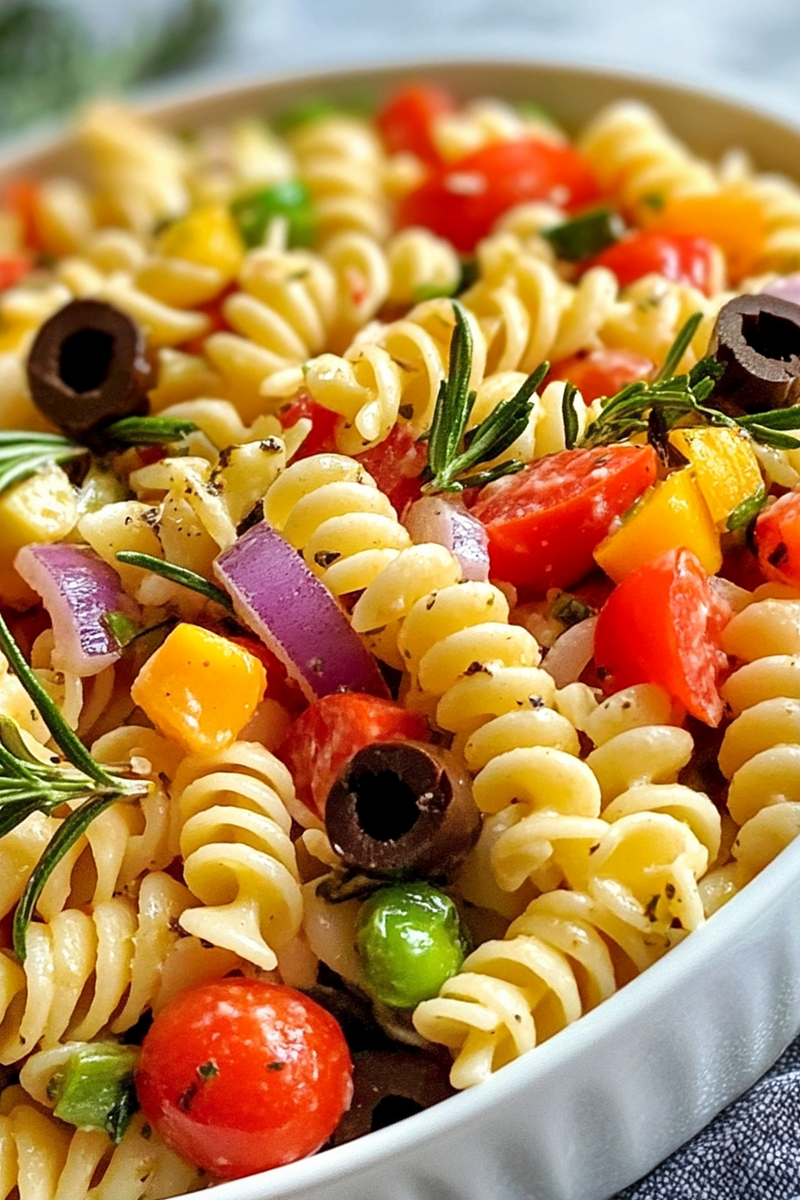
List of ingredients
- 8 oz pasta (rotini or penne) – use shapes that capture dressing.
- 1 cup cherry tomatoes, halved – provides a burst of sweetness.
- 1/2 cup black olives, sliced – adds a salty, briny flavor.
- 1/2 cup cucumber, diced – contributes a cool, crisp texture.
- 1/4 cup red onion, finely chopped – adds a subtle sharp kick.
- 1/2 cup feta cheese, crumbled – use a microbial-rennet variety for creaminess.
- 1/4 cup Italian dressing – binds all ingredients with herbs and acidity.
- Salt – to taste.
- Pepper – to taste.
step-by-step instructions
- Cook the Pasta: Place the pasta in the pressure cooker and add enough water to just cover the noodles. Ensure the sealing ring is securely in place and lock the lid.
- Pressure Cook: Set the cooker to the manual setting for 6 minutes. This timing ensures the pasta is tender but retains enough structure to avoid becoming mushy.
- Release Steam: Once the timer expires, use the quick release valve to vent the steam immediately. Exercise caution as the escaping steam is extremely hot.
- Cool and Drain: Open the lid, drain the pasta, and rinse it thoroughly under cold running water. This stops the cooking process and prepares the pasta for the dressing.
- Combine Ingredients: In a large mixing bowl, combine the cooled pasta, halved cherry tomatoes, sliced black olives, diced cucumber, chopped red onion, and crumbled feta.
- Dress the Salad: Pour the Italian dressing over the mixture and toss gently to ensure every ingredient is evenly coated.
- Season: Taste the salad and add salt and pepper as desired to enhance the overall flavor profile.
- Chill: Place the bowl in the refrigerator for at least 15 minutes before serving. This allows the flavors to meld and ensures a refreshing temperature.
Maximizing Pressure Cooker Efficiency
Optimal Pasta Selection for Pressure Cooking
Choose sturdy pasta shapes like rotini, penne, or fusilli for this method. These shapes hold up better under high pressure and provide more surface area for the dressing to cling to. Avoid very thin pastas which can overcook rapidly.
Ensuring a Proper Seal
Always inspect your pressure cooker’s sealing ring for cracks or debris before starting. A secure seal is necessary to maintain the internal pressure required for the 6-minute cook time. This prevents leaks and ensures consistent cooking results.
Safe Steam Management
The quick release method is essential for pasta to prevent overcooking during the natural depressurization phase. Always use a kitchen utensil or a protective mitt to move the valve to avoid steam burns. Keep your face and hands clear of the vent.
The Science of Cold Rinsing
Rinsing pasta under cold water removes excess surface starch and immediately halts the cooking process. This prevents the noodles from sticking together and stops them from absorbing too much dressing. It ensures the salad remains light and fresh.
Ingredient Substitutions and Alternatives
Alternative Pasta Varieties
If you prefer a different base, whole wheat pasta offers more fiber and a nuttier taste. For a gluten-free option, brown rice pasta or chickpea pasta works well, though you may need to reduce the cook time by one minute to avoid mushiness.
Seasonal Vegetable Swaps
Swap cucumbers for diced bell peppers during the winter months for a different crunch. You can also replace cherry tomatoes with sun-dried tomatoes for a more concentrated, savory flavor profile.
Plant-Based Cheese Options
To make this recipe vegan, replace the feta with a plant-based feta alternative made from coconut oil or almonds. Alternatively, omit the cheese entirely and add extra olives or capers to maintain the salty element.
Customizing the Dressing
If you do not have bottled Italian dressing, whisk together olive oil, red wine vinegar, dried oregano, and garlic powder. This homemade version allows you to control the acidity and salt levels of the dish.
Flavor Variations and Add-ins
Incorporating Lean Proteins
Turn this side dish into a main course by adding grilled chicken breast or chickpeas. Canned tuna, drained thoroughly, also pairs well with the Italian flavors and adds significant protein.
Fresh Herb Enhancements
Stir in a handful of freshly chopped parsley, basil, or cilantro just before serving. Fresh herbs provide a bright, aromatic quality that complements the tangy dressing and fresh vegetables.
Adding Zesty Notes
Grate some fresh lemon zest over the salad to increase the brightness of the dish. A small squeeze of fresh lemon juice can also wake up the flavors if the salad has been sitting in the fridge.
Adding Nutty Textures
Toasted pine nuts or slivered almonds add a sophisticated crunch to the salad. Add these immediately before serving to ensure they stay crisp and do not soften in the dressing.
Serving and Presentation Ideas
Plating for Large Groups
For potlucks, serve the salad in a wide, shallow glass bowl to showcase the vibrant colors of the vegetables. Keep a small bowl of extra feta and fresh herbs on the side for guests to garnish their own portions.
Ideal Meal Pairings
This salad pairs exceptionally well with grilled fish or roasted vegetables. It also serves as a refreshing contrast to a hearty vegetable soup or a grilled veggie burger.
Mason Jar Portioning
For meal prep, layer the dressing at the bottom of a mason jar, followed by the hardest vegetables like carrots or cucumbers. Place the pasta and feta on top to keep the ingredients from getting soggy until they are shaken and served.
Storage and Preservation Guidance
Selecting Airtight Containers
Store the salad in glass airtight containers to prevent the red onion scent from permeating other foods in your fridge. Glass is also less likely to stain from the oil and vinegar in the dressing.
Maximum Refrigeration Timeline
The salad remains fresh for up to four days when stored properly in the refrigerator. However, the vegetables will maintain their peak crunch if the salad is consumed within two days of dressing.
Managing Dressing Absorption
Pasta tends to absorb dressing over time, which can leave the salad tasting dry. To prevent this, store the dressed pasta and the vegetables separately, mixing them only when you are ready to eat.
Refreshing and Reheating Advice
Reviving Dry Pasta
If the salad seems dry after a day in the fridge, stir in a tablespoon of olive oil or a splash of red wine vinegar. This restores the moisture and brings back the zesty flavor of the dressing.
Serving Temperature Adjustments
While this is a cold salad, allowing it to sit at room temperature for 10-15 minutes before serving can enhance the flavors. This makes the aromas of the herbs and onions more pronounced.
Troubleshooting Common Issues
Preventing Mushy Noodles
If your pasta frequently turns out too soft, reduce the pressure cooking time to 5 minutes. Always ensure the cold rinse is thorough enough to drop the temperature of the pasta rapidly.
Taming Strong Onion Flavors
If the red onion is too pungent, soak the chopped pieces in cold water for 10 minutes before adding them to the bowl. Drain and pat dry to remove the harsh sulfur compounds while keeping the crunch.
Balancing Excessive Saltiness
If the feta and olives make the salad too salty, add more diced cucumber or a squeeze of lemon juice. The acidity and water content of these additions help neutralize the salt on the palate.
Frequently Asked Questions
Can I use different pasta shapes?
Yes, any short pasta like fusilli, shells, or farfalle works well. The key is to choose shapes that can trap the dressing in their folds or hollows.
Why is rinsing the pasta necessary?
Rinsing stops the cooking process immediately and removes excess starch. This prevents the pasta from clumping together and ensures the dressing coats the noodles evenly.
What happens if I don’t have a sealing ring?
The sealing ring is a critical safety and functional component of a pressure cooker. You cannot safely use the pressure cooking function without it, as the unit will not be able to build pressure.
Can this recipe be made vegan?
Yes, simply omit the feta cheese or replace it with a vegan feta alternative. Ensure your Italian dressing is free from honey or dairy products.
What is the difference between quick and natural release?
Quick release involves manually venting the steam immediately to stop cooking. Natural release allows the pressure to drop slowly on its own, which is better for delicate foods but would overcook this pasta.
How can I add protein to this salad?
You can stir in cooked chicken, canned chickpeas, or flaked tuna. These additions make the salad a more filling meal without altering the base flavor profile.
Print Quick and Easy Pasta Salad
- Total Time: 20 minutes
- Yield: 4 servings 1x
- Diet: Vegetarian
Description
This quick and easy pasta salad is perfect for a refreshing meal or side dish. Packed with fresh vegetables, tangy feta cheese, and a flavorful Italian dressing, it’s made even faster using a pressure cooker to perfectly cook the pasta.
Ingredients
- 8 oz pasta (rotini or penne)
- 1 cup cherry tomatoes (halved)
- 1/2 cup black olives (sliced)
- 1/2 cup cucumber (diced)
- 1/4 cup red onion (finely chopped)
- 1/2 cup feta cheese (crumbled)
- 1/4 cup Italian dressing
- salt to taste
- pepper to taste
Instructions
- Step: Pour your pasta into the pressure cooker with enough water to just cover it.
- Step: Ensure your sealing ring is in place snug and tight before you lock the lid.
- Step: Set your cooker to manual for 6 minutes.
- Step: Use the quick release to let the steam out fast.
- Step: Drain the pasta and rinse it under cold water.
- Step: In a big bowl, toss together your pasta, cherry tomatoes, black olives, cucumber, red onion, and feta cheese.
- Step: Pour in your Italian dressing and toss everything gently.
- Step: Add salt and pepper as you like.
- Step: Store in the fridge for at least 15 minutes so it chills and flavors settle in.
Notes
Store your pasta salad in an airtight container in the fridge for up to 4 days. For best texture, add dressing just before serving or consume within 2 days if pre-mixed. Stir gently before serving and add more dressing or lemon if desired.
- Prep Time: 10 minutes
- Cook Time: 10 minutes
- Category: Side Dish
- Method: Pressure Cooking
- Cuisine: Italian-inspired
Nutrition
- Serving Size: 1 serving
- Calories: 350 kcal
- Sugar: 6 g
- Sodium: 820 mg
- Fat: 14 g
- Saturated Fat: 5 g
- Unsaturated Fat: 9 g
- Trans Fat: 0 g
- Carbohydrates: 42 g
- Fiber: 4 g
- Protein: 12 g
- Cholesterol: 35 mg
Leave a Reply