This high-protein pasta dish utilizes Greek yogurt to create a creamy texture without the need for heavy cream. It is a fast meal that takes approximately 25 minutes to prepare from start to finish.
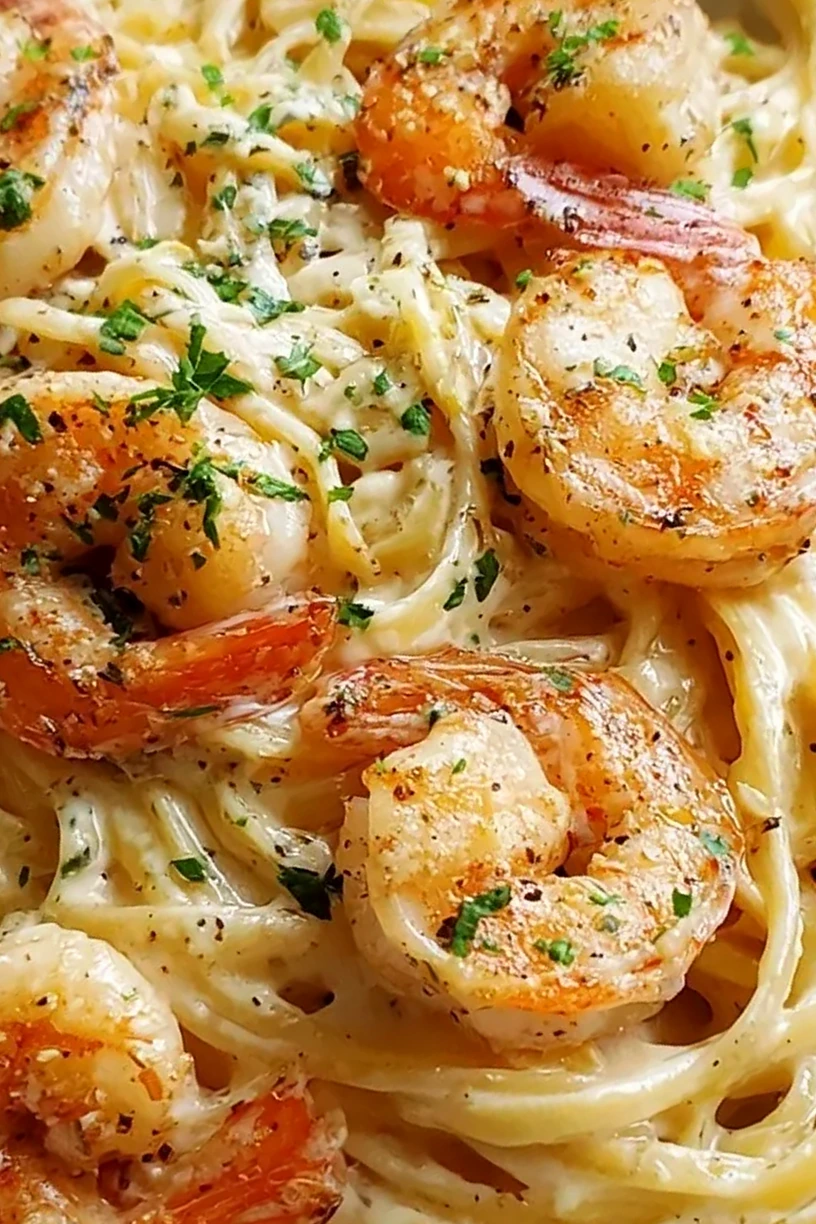
List of ingredients
- 8 oz high-protein chickpea or lentil rotini pasta – provides a nutrient-dense base.
- 1 lb large shrimp, peeled and deveined – lean protein source.
- 1 cup plain non-fat Greek yogurt, room temperature – creates the creamy sauce base.
- 1/2 cup low-sodium chicken broth – used for thinning and flavoring the sauce.
- 4 cloves garlic, minced – adds pungent aromatic flavor.
- 1 tbsp extra virgin olive oil – for searing the shrimp.
- 1/2 cup freshly grated parmesan cheese – adds saltiness and thickness.
- 1 tsp crushed red pepper flakes – provides a mild heat.
- 1/2 tsp kosher salt – for seasoning.
- 1/4 tsp ground black pepper – for seasoning.
- 2 cups fresh baby spinach – adds vitamins and color.
- 1 tbsp fresh Italian parsley, finely chopped – for a fresh garnish.
step-by-step instructions
- Cook Pasta: Bring a large pot of salted water to a boil. Cook the high-protein pasta according to the package directions until al dente. Drain the pasta, but reserve 1/4 cup of the cooking water for later use.
- Sear Shrimp: Heat olive oil in a large non-stick skillet over medium-high heat. Season the shrimp with salt and pepper. Add them to the pan and sear for 2 minutes per side until they are pink and opaque. Remove the shrimp from the pan and set them aside.
- Sauté Aromatics: Reduce the skillet heat to medium. Add the minced garlic and red pepper flakes. Sauté for about 60 seconds until the garlic becomes fragrant.
- Build the Sauce: Slowly whisk in the chicken broth and room-temperature Greek yogurt. Maintain a medium-low heat to prevent the yogurt from curdling.
- Thicken: Stir in the grated parmesan cheese. Continue stirring until the sauce is smooth and the cheese has completely melted.
- Wilt Greens: Add the fresh baby spinach to the sauce. Stir constantly until the leaves are just wilted.
- Combine: Return the seared shrimp and the cooked pasta to the skillet.
- Final Toss: Toss all ingredients together to ensure everything is thoroughly coated. If the sauce is too thick, add the reserved pasta water one tablespoon at a time until you reach the desired consistency.
- Garnish: Sprinkle with chopped fresh parsley and serve immediately.
Technical Tips for a Smooth Sauce
Managing the temperature of your dairy is critical in this recipe. Using room temperature Greek yogurt reduces the temperature shock when it hits the pan. This significantly lowers the risk of the sauce separating or curdling.
The heat setting must remain at medium-low once the yogurt is added. High heat causes the proteins in the yogurt to tighten and squeeze out moisture, resulting in a grainy texture. Constant whisking helps maintain a stable emulsion.
Do not discard the pasta water. The starch released during the boiling process acts as a natural thickener and binder. It helps the sauce adhere to the pasta more effectively than plain water or extra broth.
Searing the shrimp quickly on high heat ensures they remain juicy. Overcooking shrimp leads to a rubbery texture. Remove them from the pan as soon as they turn opaque and form a slight curl.
Ingredient Substitutions and Alternatives
For the pasta, chickpea or lentil rotini is recommended for maximum protein. However, you can use whole-grain wheat pasta or gluten-free brown rice pasta. If you require a low-carb option, zucchini noodles or spaghetti squash work well.
If you prefer a different protein, grilled chicken breast is a direct substitute for shrimp. Cut the chicken into bite-sized pieces and sauté them until fully cooked before proceeding with the garlic and sauce steps.
To make this dish dairy-free, replace the Greek yogurt with an unsweetened plain coconut yogurt or a cashew-based cream. Use nutritional yeast or a vegan parmesan alternative to replicate the salty, cheesy flavor.
Vegetable broth can be used instead of chicken broth. This makes the recipe suitable for those avoiding meat-based stocks without altering the flavor profile significantly.
Flavor Variations and Additions
Adding a squeeze of fresh lemon juice at the end brightens the overall flavor. The acidity cuts through the richness of the yogurt and parmesan. You can also add lemon zest during the garlic sauté phase.
For additional vegetables, consider adding sautéed mushrooms, diced bell peppers, or frozen peas. Add harder vegetables like carrots or broccoli early in the process, or steam them separately to ensure they are tender.
If you prefer a more intense heat, increase the red pepper flakes to two teaspoons. Alternatively, stir in a teaspoon of Sriracha or chipotle paste for a smoky, spicy dimension.
Sun-dried tomatoes are another excellent addition. Stir them in with the spinach to add a concentrated sweetness and tartness that complements the garlic and shrimp.
Serving and Pairing Suggestions
Serve this pasta in warmed bowls to keep the sauce creamy for longer. Garnish with additional parmesan cheese or a pinch of paprika for visual contrast.
Pair this meal with a side of roasted vegetables. Broccoli, asparagus, or Brussels sprouts roasted with olive oil and salt provide a crisp contrast to the creamy pasta.
A light side salad with a lemon-vinaigrette dressing balances the richness of the Greek yogurt sauce. Use mixed greens, cucumber, and cherry tomatoes for a refreshing accompaniment.
If you want a heartier meal, serve the pasta with toasted whole-grain garlic bread. The bread is useful for soaking up any remaining sauce left on the plate.
Storage and Preservation
Store leftover pasta in an airtight container in the refrigerator. It will remain fresh for up to two days. Ensure the container is sealed tightly to prevent the pasta from drying out.
The sauce may thicken significantly as it cools. This is normal due to the nature of Greek yogurt and the starches in the high-protein pasta. Do not attempt to stir it vigorously while cold as it may break the emulsion.
Avoid freezing this dish. Greek yogurt and parmesan cheese often separate when frozen and thawed, which results in a grainy, unappealing texture in the sauce.
If storing for more than 24 hours, consider storing the pasta and the sauce in separate containers. This prevents the pasta from absorbing all the sauce and becoming mushy.
Reheating Guidelines
Reheat the pasta gently on the stove over low to medium-low heat. Avoid using high heat, which can cause the yogurt sauce to curdle or split.
Add a small splash of water, chicken broth, or milk during the reheating process. This restores the creaminess of the sauce and prevents the dish from becoming too dry.
If using a microwave, use a medium power setting and heat in 30-second intervals. Stir the pasta between each interval to distribute the heat evenly and prevent hot spots that could overcook the shrimp.
Keep the shrimp in the pan for the minimum time necessary to warm through. Over-reheating shrimp will make them tough and rubbery.
Make-Ahead Advice
You can prep several components in advance to save time on busy weeknights. Mince the garlic and chop the parsley a day ahead and store them in small containers.
Peel and devein the shrimp in advance. Store them in a sealed container in the refrigerator for up to 24 hours before cooking.
While the sauce cannot be fully made in advance without risk of separation, you can mix the yogurt and broth together and keep them chilled. Remember to bring the mixture to room temperature before adding it to the pan.
Cook the pasta ahead of time and toss it with a small amount of olive oil to prevent sticking. When ready to serve, simply add it to the sauce during the final combining step.
Troubleshooting Common Issues
If the sauce curdles, it is usually due to excessive heat. You can sometimes fix this by whisking in a tablespoon of warm water or broth very quickly over low heat to re-emulsify the mixture.
If the sauce is too thin, simmer it for an additional minute or two before adding the pasta. You can also stir in an extra tablespoon of parmesan cheese to increase the thickness.
If the shrimp are not searing but steaming in the pan, the skillet may not be hot enough or the shrimp may be too wet. Pat the shrimp dry with paper towels before adding them to the oil.
If the high-protein pasta feels too grainy, ensure you are cooking it exactly to the package instructions. Overcooking chickpea pasta can lead to a mushy texture, while undercooking it leaves it gritty.
Nutritional Component Breakdown
Chickpea and lentil pastas are superior to traditional white pasta because they offer significantly more fiber and protein. This helps regulate blood sugar levels and keeps you full longer.
Greek yogurt provides a concentrated source of protein and probiotics. It replaces the saturated fats found in heavy cream while maintaining a thick, satisfying mouthfeel.
Shrimp is a lean protein that is low in calories but high in essential minerals like selenium and B12. It is an efficient way to increase protein intake without adding excess fat.
Fresh baby spinach contributes non-heme iron and Vitamin K. Incorporating greens directly into the sauce ensures you get a serving of vegetables without altering the core flavor of the dish.
Print High Protein Creamy Garlic Shrimp Pasta
- Total Time: 25 minutes
- Yield: 4 servings 1x
- Diet: High Protein
Description
A high-protein, creamy garlic shrimp pasta featuring a light Greek yogurt sauce and nutrient-dense chickpea pasta, perfect for a healthy and satisfying weeknight dinner.
Ingredients
- 8 oz high-protein chickpea or lentil rotini pasta
- 1 lb large shrimp, peeled and deveined
- 1 cup plain non-fat Greek yogurt, room temperature
- 1/2 cup low-sodium chicken broth
- 4 cloves garlic, minced
- 1 tbsp extra virgin olive oil
- 1/2 cup freshly grated parmesan cheese
- 1 tsp crushed red pepper flakes
- 1/2 tsp kosher salt
- 1/4 tsp ground black pepper
- 2 cups fresh baby spinach
- 1 tbsp fresh Italian parsley, finely chopped
Instructions
- Step: Bring a large pot of salted water to a boil and cook the high-protein pasta according to package directions until al dente. Drain, reserving 1/4 cup of the pasta cooking water.
- Step: Heat olive oil in a large non-stick skillet over medium-high heat.
- Step: Season shrimp with salt and pepper, then add to the skillet. Sear for 2 minutes per side or until pink and opaque. Remove shrimp from the pan and set aside.
- Step: Reduce the skillet heat to medium. Add the minced garlic and red pepper flakes, sautéing for 60 seconds until fragrant.
- Step: Slowly whisk in the chicken broth and Greek yogurt. Maintain medium-low heat to ensure the yogurt does not curdle.
- Step: Stir in the grated parmesan cheese until the sauce is smooth and the cheese has melted.
- Step: Add the baby spinach to the sauce and stir until the leaves are just wilted.
- Step: Return the cooked shrimp and the pasta to the skillet.
- Step: Toss all ingredients together to coat thoroughly. If the sauce is too thick, add the reserved pasta water one tablespoon at a time until the desired consistency is reached.
- Step: Garnish with chopped parsley and serve immediately.
Notes
Use room temperature Greek yogurt to prevent sauce curdling. Pat shrimp dry before searing for a golden crust. Reheat gently on low stove heat with a splash of broth to keep shrimp tender.
- Prep Time: 10 minutes
- Cook Time: 15 minutes
- Category: Main Course
- Method: Stovetop
- Cuisine: Mediterranean
Nutrition
- Serving Size: 1 serving
- Calories: 420 kcal
- Sugar: 6 g
- Sodium: 610 mg
- Fat: 8 g
- Saturated Fat: 3 g
- Unsaturated Fat: 5 g
- Trans Fat: 0 g
- Carbohydrates: 40 g
- Fiber: 7 g
- Protein: 28 g
- Cholesterol: 75 mg
Leave a Reply