Create a restaurant-quality meal in your own kitchen with this quick, creamy garlic butter shrimp pasta. This dish brings together tender succulent shrimp and perfectly cooked fettuccine in a rich, buttery sauce that takes only minutes to prepare. It is an ideal solution for those busy weeknights when you want something that tastes gourmet but requires minimal time and effort.
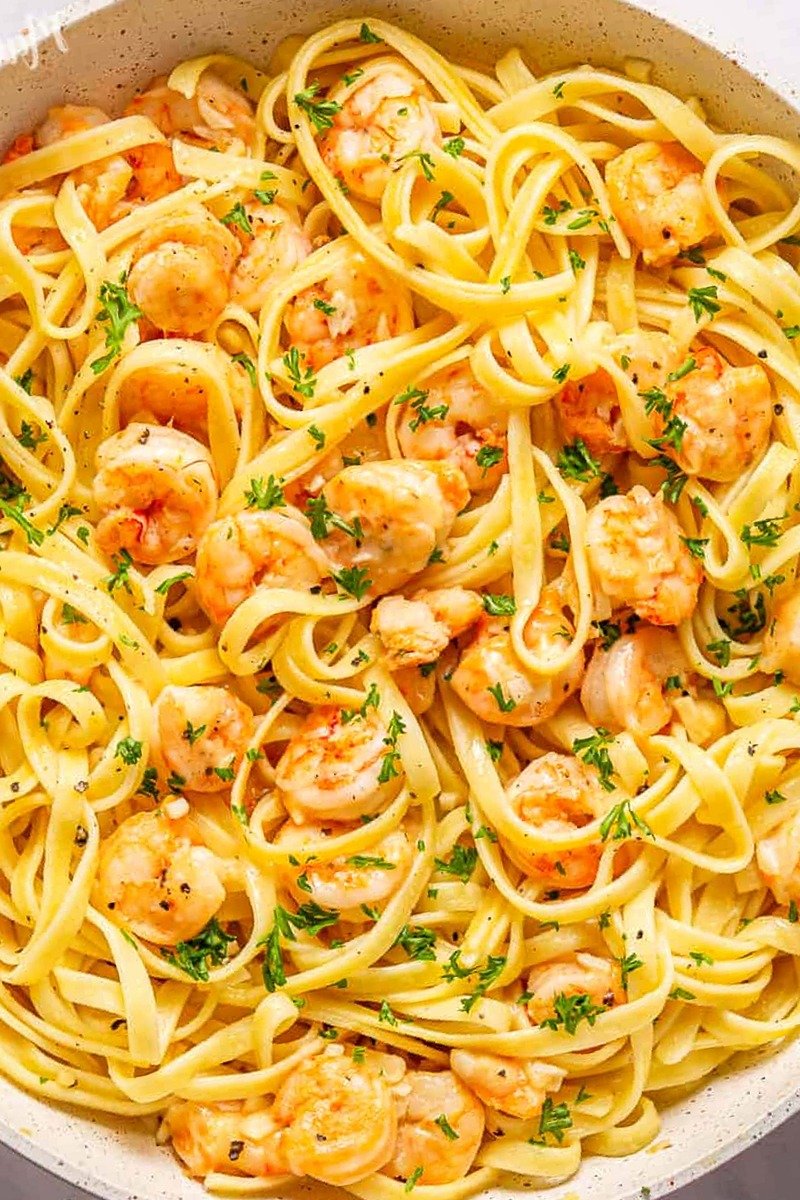
List of ingredients
- 12 oz Fettuccine
- 1 lb Shrimp
- 4 cloves Garlic
- ½ cup Parmesan Cheese
- 4 tbsp Butter
- ¼ Lemon (juiced)
- ¼ Lemon (zested)
- 2 tbsp Cooking Oil
- Sea Salt
- Black Pepper
step-by-step instructions
- Step: In a large pot boiling salted water, cook fettuccine pasta until al dente, drain well then set aside.
- Step: In a pan, heat cooking oil over medium heat. Cook garlic until fragrant for 2 minutes.
- Step: Melt butter in the same pan then cook shrimp. Stir occasionally until the shrimp turn opaque white with some pink for about 4-6 minutes.
- Step: Add lemon juice, lemon zest, parmesan cheese, salt, and black pepper. Stir until combined and the parmesan cheese is melted.
- Step: Transfer the fettuccine into a pan, stir until evenly distributed.
- Step: Garnish with parsley before serving.
Mastering the Perfect Sauce Consistency
Utilizing Starchy Pasta Water
If you find that your sauce is too thick or not clinging to the noodles as effectively as you would like, add one or two tablespoons of the reserved pasta cooking water. The starch in the water acts as an emulsifier, helping the butter, cheese, and lemon juice bond together into a silky, cohesive sauce that coats every strand of pasta perfectly.
Selecting the Right Cheese Texture
Always use freshly grated Parmesan cheese rather than pre-grated varieties found in bags. Pre-grated cheese is often coated in cellulose to prevent clumping, which interferes with the melting process and can leave your sauce feeling gritty. A fine microplane grater is the best tool for achieving the light, fluffy texture that dissolves instantly into a hot sauce.
Selecting and Preparing Your Protein
Determining Quality and Freshness
When selecting shrimp, look for those that are firm to the touch with a mild, ocean-like scent rather than a strong or fishy odor. If you are using frozen shrimp, make sure they are completely thawed and patted dry with paper towels before hitting the pan. Excess water on the shrimp will steam them rather than sear them, preventing that desirable golden-brown color.
Maintaining the Tail for Presentation
Leaving the tails on during the cooking process provides a professional, restaurant-style appearance that makes the dish look much more intricate than it actually is. Furthermore, the shells and tails contain a significant amount of concentrated flavor that infuses the butter sauce while they cook. Just remind your guests to remove them before eating if they prefer a cleaner dining experience.
Maximizing Freshness and Flavor
Balancing the Lemon Component
The lemon zest is just as important as the juice because it contains the aromatic essential oils of the fruit. Be careful to zest only the bright yellow outer layer and avoid the bitter white pith underneath. Adding the zest at the very end ensures the delicate citrus oils remain vibrant rather than cooking out during the high-heat searing process.
Adding Fresh Herbal Notes
While the recipe suggests parsley as a finishing touch, do not underestimate the impact of a fresh herb addition. Parsley brings a clean, earthy note that cuts through the richness of the butter and cheese. You can also experiment with finely sliced chives or fresh basil to add a different aromatic profile depending on what you have available in your herb garden.
Frequently Asked Questions
Can I prepare this dish ahead of time for a dinner party?
This recipe is best enjoyed immediately after preparation as pasta continues to absorb sauce while it sits, which can make the dish feel dry if left to stand too long. If you must prepare elements in advance, cook the shrimp and make the sauce, but keep the pasta slightly undercooked and toss it together just before serving.
What are the best pasta alternatives if I run out of fettuccine?
You can substitute the fettuccine with almost any long-strand pasta like linguine or spaghetti, which provide a similar surface area for the sauce. If you prefer short pasta shapes, penne or fusilli work exceptionally well as they have crevices that trap the garlic butter and Parmesan, ensuring every bite is flavor-packed.
How do I store and reheat leftovers properly?
Store any leftovers in an airtight container in the refrigerator for up to two days. When reheating, place the pasta in a skillet over low heat and add a tiny splash of water or a small knob of butter. Stir gently until heated through to prevent the shrimp from becoming rubbery or overcooked from excessive heat.
Troubleshooting Common Cooking Issues
Preventing Chewy or Rubbery Shrimp
Shrimp have a very narrow window of doneness; they are fully cooked the moment they turn opaque and pink. If you leave them in the pan for even a minute too long, the proteins tighten and the texture becomes rubbery. If you are worried about timing, remove the shrimp from the pan once cooked and stir them back in only at the very end when the sauce is ready.
Fixing a Broken or Separated Sauce
If your butter and lemon sauce appears to separate or look greasy, it usually means the heat was too high or the cheese was added too quickly. Take the pan off the heat immediately and whisk in a small splash of heavy cream or plain water to re-emulsify the fats. Consistent, low-to-medium heat is the key to maintaining a smooth, emulsified finish.
Optimizing the Cooking Process
Managing the Heat Levels
The combination of butter and oil is deliberate, as the cooking oil provides a higher smoke point that protects the butter from burning before the garlic has a chance to soften. Keep your burner set to a consistent medium-low heat throughout the sauce-making stage to ensure the garlic sweetens without turning bitter or dark brown.
Creating a Uniform Meal
To ensure your meal comes together without stress, gather and prep all of your ingredients before you even turn on the stove. Because this pasta dish moves very quickly once the garlic hits the pan, having your cheese grated, your lemon zested, and your pasta drained beforehand will make the cooking process feel like a smooth, professional performance rather than a hectic scramble.
Print Garlic Butter Shrimp Pasta
- Total Time: 60 minutes
- Yield: 5 servings 1x
- Diet: Pescatarian
Description
A delicious and creamy shrimp pasta dish made with aromatic garlic, melted butter, fresh lemon, and parmesan cheese. This elegant restaurant-style meal is simple, fast, and easy to prepare at home for a fancy dinner.
Ingredients
- 12 oz Fettuccine
- 1 lb Shrimp
- 4 cloves Garlic
- ½ cup Parmesan Cheese
- 4 tbsp Butter
- ¼ Lemon (juiced)
- ¼ Lemon (zested)
- 2 tbsp Cooking Oil
- Sea Salt
- Black Pepper
Instructions
- Step: In a large pot boiling salted water, cook fettuccine pasta until al dente, drain well then set aside.
- Step: In a pan, heat cooking oil over medium heat. Cook garlic until fragrant for 2 minutes.
- Step: Melt butter in the same pan then cook shrimp. Stir occasionally until the shrimp turn opaque white with some pink for about 4-6 minutes.
- Step: Add lemon juice, lemon zest, parmesan cheese, salt, and black pepper. Stir until combined and the parmesan cheese is melted.
- Step: Transfer the fettuccine into a pan, stir until evenly distributed.
- Step: Garnish with parsley before serving.
Notes
Prepare all ingredients before starting, as the recipe cooks very quickly. The combination of butter and oil prevents the butter from burning. Ensure you do not overcook the shrimp; they are done when they turn opaque pink and reach a tender texture.
- Prep Time: 15 minutes
- Cook Time: 45 minutes
- Category: Main Course
- Method: Stovetop
- Cuisine: American
Nutrition
- Serving Size: 1 serving
- Calories: 480 kcal
- Sugar: 2 g
- Sodium: 550 mg
- Fat: 18 g
- Saturated Fat: 9 g
- Unsaturated Fat: 7 g
- Trans Fat: 0 g
- Carbohydrates: 52 g
- Fiber: 3 g
- Protein: 30 g
- Cholesterol: 165 mg
Leave a Reply