Prepare a zesty and tender meal with minimal effort using your slow cooker. This one-pot recipe ensures juicy chicken and flavorful rice for a convenient weeknight dinner.
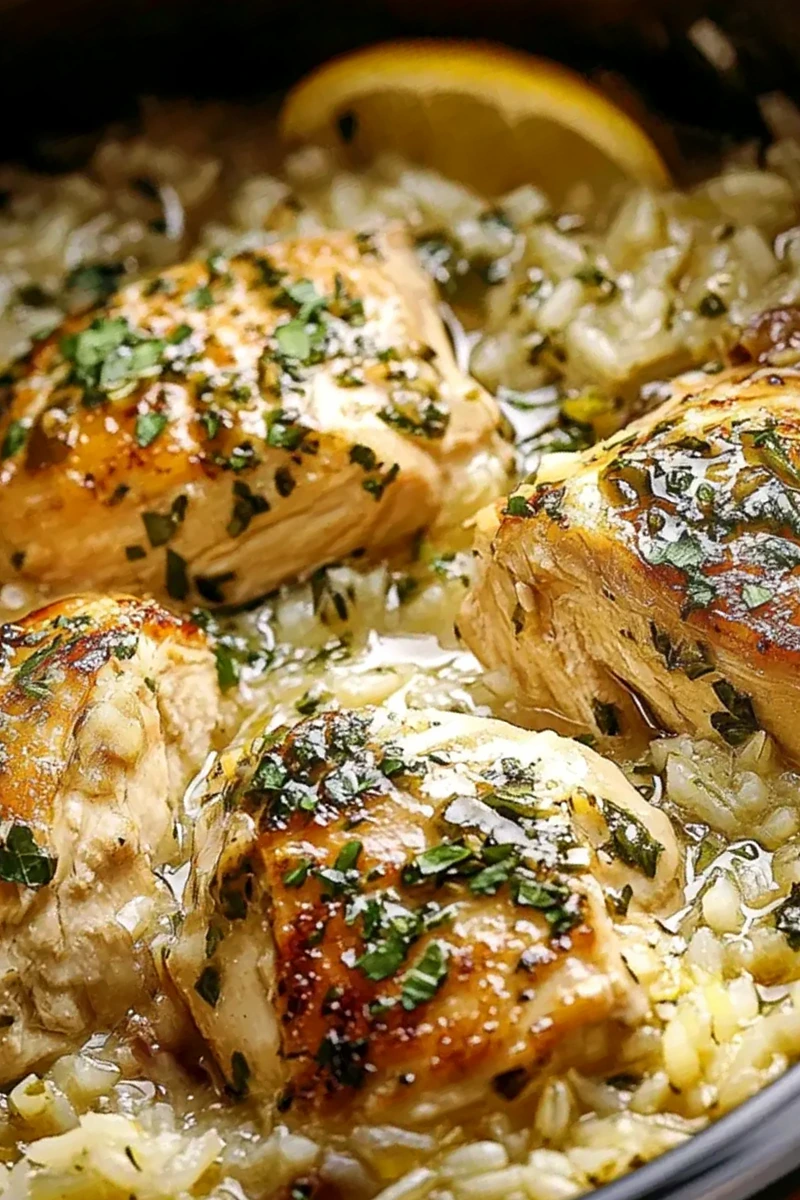
List of ingredients
- 4 pieces boneless and skinless chicken breasts – the main protein source.
- 1 lemon, juiced and zested – provides citrus flavor and acidity.
- 2 tbsp olive oil – adds moisture and carries the fat-soluble herb flavors.
- 1 tsp garlic powder – provides a consistent earthy base.
- 1 tsp dried oregano – adds a Mediterranean herbal note.
- 1 tsp dried thyme – contributes a subtle woody aroma.
- Salt and pepper to taste – essential for enhancing all other flavors.
- 2 cups chicken broth – the liquid base for cooking the rice.
- 1 cup long-grain rice – absorbs the broth and seasonings.
- Fresh herbs for garnish, optional – adds a bright visual and flavor finish.
step-by-step instructions
- Prepare the marinade: In a small bowl, combine the lemon juice, lemon zest, olive oil, garlic powder, oregano, thyme, salt, and pepper. Mix well to create a uniform herb paste.
- Coat the chicken: Place the boneless, skinless chicken breasts into the slow cooker. Pour the prepared lemon herb mixture over the chicken, ensuring every piece is fully coated for maximum flavor.
- Combine liquids and grains: Pour the two cups of chicken broth into the pot and add the one cup of long-grain rice.
- Distribute the rice: Gently stir the ingredients with a spoon to ensure the rice is evenly spread across the bottom of the cooker and not clumped together.
- Cook the meal: Secure the lid tightly. Cook on the low setting for 360 minutes (6 hours) or on the high setting for 180 minutes (3 hours).
- Final touch: Remove the lid and gently fluff the rice with a fork. Serve the chicken warm, garnished with fresh herbs if desired.
Cooking Techniques for Optimal Results
Avoid Opening the Lid to Preserve Heat
Keeping the lid closed is critical for maintaining a consistent internal temperature. Every time the lid is lifted, a significant amount of steam and heat escapes, which can extend the cooking time by 15 to 30 minutes. This is especially important when cooking rice, as it relies on trapped steam to soften.
Distributing Rice Evenly to Prevent Clumping
Before starting the cooker, ensure the rice is spread in a flat layer at the bottom of the pot. If the rice is piled in one area, it may cook unevenly, leaving some grains hard and others mushy. A quick stir after adding the broth ensures the grains are separate and will absorb the liquid uniformly.
Selecting the Best Long-Grain Rice Variety
Using a high-quality long-grain rice, such as Basmati or Jasmine, prevents the dish from becoming overly sticky. These varieties maintain their individual structure better than short-grain rice during the long slow-cooking process. Always rinse the rice under cold water before adding it to remove excess surface starch.
Enhancing Flavor with Fresh Garlic
While garlic powder provides a convenient and consistent taste, you can substitute it with three to four cloves of minced fresh garlic. Fresh garlic offers a sharper, more pungent flavor profile that pairs exceptionally well with the lemon. If using fresh garlic, stir it directly into the oil and lemon juice mixture.
Adjusting Liquid Ratios for Different Rice
The 2:1 ratio of broth to rice is standard for most long-grain varieties. However, if you notice the rice is too dry, you can add an extra quarter cup of broth during the final hour of cooking. Conversely, if the dish is too watery, leave the lid off for the last 10 minutes to allow excess moisture to evaporate.
Ingredient Substitutions and Customizations
Substituting Chicken Breasts with Thighs
Using boneless, skinless chicken thighs instead of breasts results in a juicier and more flavorful dish. Thighs have a higher fat content, which prevents them from drying out during the long cooking window. If using thighs, the cooking time remains the same, but the texture will be more succulent.
Incorporating Quinoa for More Protein
You can replace the long-grain rice with an equal amount of rinsed quinoa for a gluten-free, protein-rich alternative. Quinoa generally cooks faster than rice, so check for doneness about 30 to 60 minutes before the timer ends. The texture will be slightly nuttier and the dish will have a different consistency.
Adapting the Recipe for Brown Rice
Brown rice takes significantly longer to cook than white rice and requires more liquid. If substituting, increase the chicken broth by half a cup and ensure you use the ‘Low’ setting for at least 6 to 8 hours. Brown rice provides more fiber but may result in a firmer grain.
Adding Color with Frozen Vegetables
Adding frozen peas, diced carrots, or corn can turn this into a complete one-pot meal. Stir these vegetables into the slow cooker during the final 45 to 60 minutes of the cooking process. Adding them too early will cause the vegetables to overcook and lose their vibrant color and texture.
Adding a Hint of Heat with Red Pepper Flakes
For those who prefer a spicy kick, add a half teaspoon of crushed red pepper flakes to the lemon herb marinade. This introduces a subtle warmth that cuts through the richness of the chicken and oil. You can also add diced jalapeños for a fresher, more intense heat.
Using Coconut Milk for a Tropical Twist
Replacing half of the chicken broth with full-fat coconut milk creates a creamy, tropical version of this dish. The coconut milk pairs beautifully with the lemon zest and garlic. This variation results in a richer sauce that tastes similar to a mild coconut curry.
Serving Suggestions and Pairings
Pairing with Steamed Green Vegetables
Serve the chicken and rice alongside steamed broccoli, asparagus, or green beans. These vegetables provide a crisp texture and a fresh, slightly bitter contrast to the zesty lemon flavors. Steaming them separately ensures they remain bright green and avoid becoming overcooked.
Serving with a Fresh Arugula Salad
A simple salad of baby arugula, cherry tomatoes, and a light vinaigrette complements this meal perfectly. The peppery notes of the arugula balance the savory herbs and acidity of the lemon. Use a dressing of olive oil and apple cider vinegar to keep the meal light.
Complementing with Toasted Garlic Bread
Slices of crusty baguette toasted with garlic butter are ideal for mopping up the flavorful broth left in the pot. The crunch of the bread adds a necessary textural contrast to the soft rice and tender chicken. Brush the bread with melted butter and a pinch of parsley before toasting.
Choosing a Refreshing Non-Alcoholic Pairing
A glass of chilled sparkling water with a wedge of lime or a cold iced tea with mint works well with this dish. These beverages cleanse the palate between bites of the rich, herb-infused chicken. Avoid overly sweet drinks, as they can overpower the delicate lemon and thyme notes.
Storage and Food Safety
Cooling the Dish Before Refrigeration
To maintain food safety, do not leave the cooked chicken and rice at room temperature for more than two hours. Transfer leftovers into shallow containers to allow them to cool quickly and evenly. This prevents the growth of bacteria that can occur in deep pots of warm food.
Preventing Rice Hardening in the Fridge
Rice undergoes a process called retrogradation in the refrigerator, which makes the grains hard and dry. To prevent this, store the meal in an airtight container with a small amount of extra broth. This keeps the moisture locked in and ensures the rice remains tender when reheated.
The Best Way to Reheat for Moisture
When reheating in the microwave, add a tablespoon of water or chicken broth to the dish and cover it with a damp paper towel. Heat in short intervals, stirring in between, to ensure the chicken does not overcook. For stovetop reheating, use a small pan with a lid and a splash of liquid over low heat.
Freezing for Long-Term Storage
This meal can be frozen for up to three months in a vacuum-sealed bag or a heavy-duty freezer container. While the chicken freezes well, the texture of the rice may change slightly upon thawing. Thaw the meal completely in the refrigerator overnight before reheating to maintain the best quality.
Slow Cooker Equipment Advice
Using a Slow Cooker Liner for Easier Cleaning
A disposable slow cooker liner prevents the lemon juice and starchy rice from sticking to the ceramic pot. This is particularly helpful for rice recipes, which can often leave a stubborn residue on the bottom. Liners make cleanup almost instantaneous and protect the pot from acidic etching.
Comparing Digital and Manual Slow Cookers
Digital slow cookers are often more precise with temperature and timing, making them ideal for rice which requires exact conditions. Manual cookers may have slight variances in heat depending on the model. If using a manual cooker, check the rice tenderness slightly earlier to avoid overcooking.
Ensuring the Correct Pot Volume
Use a slow cooker that is roughly half to two-thirds full for the best circulation of heat. A pot that is too large may cause the liquid to evaporate too quickly, leading to burnt rice. A pot that is too full may overflow or result in unevenly cooked chicken.
Checking the Internal Temperature of Chicken
Regardless of the time elapsed, always use a meat thermometer to ensure the chicken has reached an internal temperature of 165°F (74°C). This ensures the meat is safe to eat while preventing overcooking. Insert the thermometer into the thickest part of the breast.
Frequently Asked Questions
How long does this last in the fridge?
The lemon herb chicken and rice can be stored in an airtight container in the refrigerator for up to 3 days. Ensure it is cooled quickly before storing to maintain freshness.
Can I freeze this meal?
Yes, it can be frozen for up to 3 months. Use a freezer-safe container and add a little extra broth before freezing to help the rice stay moist during the reheating process.
Can I use frozen chicken breasts?
It is not recommended to put frozen chicken breasts directly into the slow cooker. For safety and quality, thaw them completely in the refrigerator before adding them to the pot to ensure they cook through evenly.
Is this recipe gluten-free?
Yes, the recipe is naturally gluten-free as long as you use a certified gluten-free chicken broth. Ensure all dried herbs and spices are processed in a gluten-free facility if you have a severe allergy.
What can I use instead of olive oil?
Avocado oil is an excellent substitute due to its high smoke point and neutral flavor. You can also use melted unsalted butter for a richer, more savory taste in the marinade.
Print Easy Slow Cooker Lemon Herb Chicken and Rice
- Total Time: 6 hours 15 minutes
- Yield: 4 servings 1x
- Diet: General
Description
Enjoy Slow Cooker Lemon Herb Chicken Rice: Easy Healthy Crock Pot Meal, a vibrant dish for busy weeknights.
Ingredients
- 4 pieces boneless and skinless chicken breasts
- 1 lemon, juiced and zested
- 2 tbsp olive oil
- 1 tsp garlic powder
- 1 tsp dried oregano
- 1 tsp dried thyme
- salt and pepper to taste
- 2 cups chicken broth
- 1 cup long-grain rice
- fresh herbs for garnish, optional
Instructions
- Step 1: In a small bowl, combine the lemon juice, zest, olive oil, garlic powder, oregano, thyme, salt, and pepper.
- Step 2: Place your chicken breasts in the slow cooker, then pour the lemon herb mixture over them.
- Step 3: Pour in the chicken broth and add the long-grain rice to the slow cooker.
- Step 4: Gently mix the ingredients to ensure that the rice is evenly distributed.
- Step 5: Secure the lid on your slow cooker. Cook on low for 360 minutes or high for 180 minutes.
- Step 6: Once cooked, remove the lid and fluff the rice gently with a fork.
Notes
Ensure each chicken breast is well-coated for maximum flavor. Adjust seasonings based on personal preference.
- Prep Time: 15 minutes
- Cook Time: 6 hours
- Category: Healthy Recipes
- Method: Slow Cooking
- Cuisine: American
Nutrition
- Serving Size: 1 serving
- Calories: 450 kcal
- Sugar: 1 g
- Sodium: 600 mg
- Fat: 12 g
- Saturated Fat: 2 g
- Unsaturated Fat: 10 g
- Trans Fat: 0 g
- Carbohydrates: 50 g
- Fiber: 2 g
- Protein: 40 g
- Cholesterol: 100 mg
Leave a Reply