This nutrient-dense meal combines tender, garlic-seasoned steak with a creamy, high-protein macaroni and cheese base. It is designed for efficient meal prep, providing a balanced ratio of lean protein and carbohydrates to support muscle recovery and satiety.
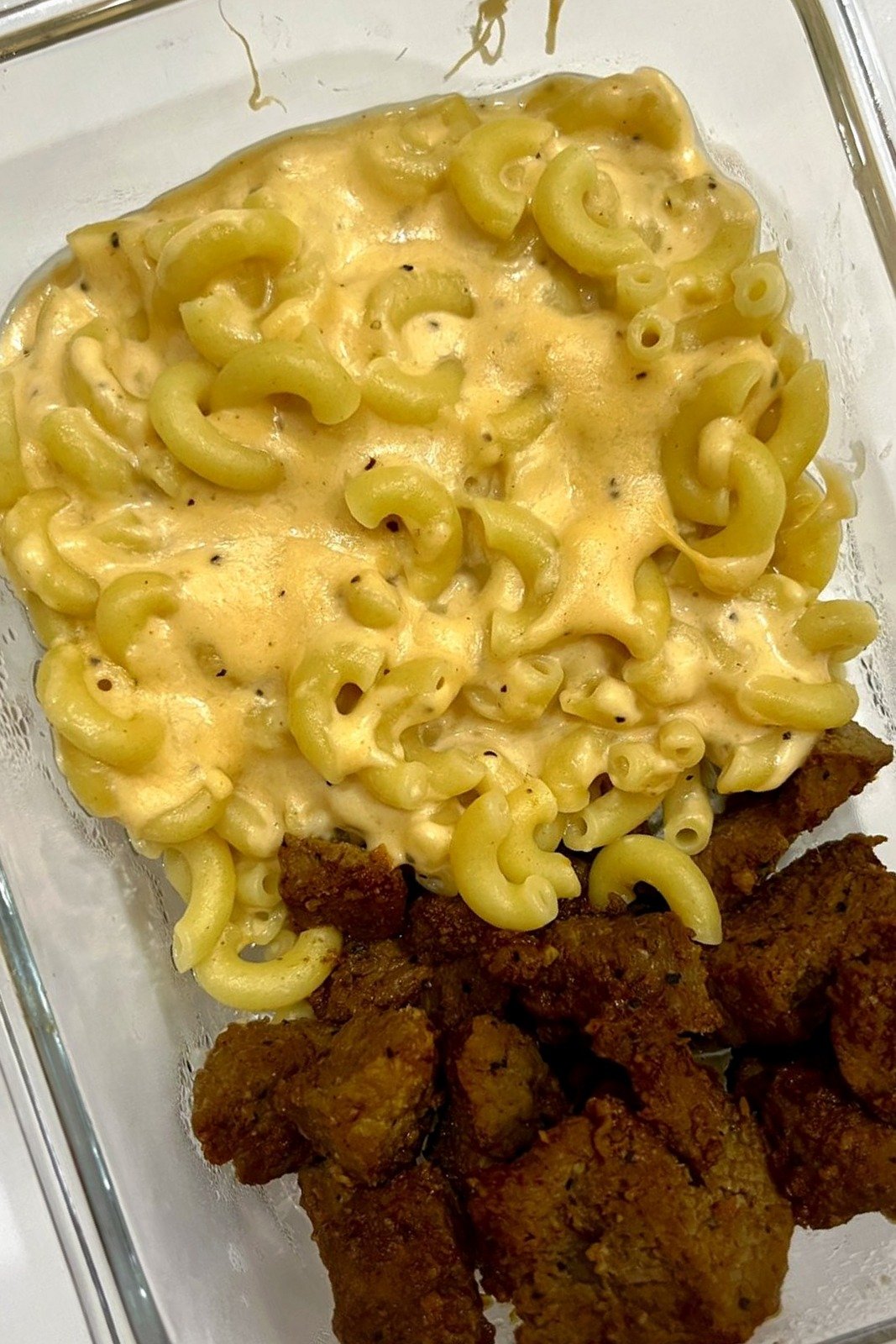
List of ingredients
- 1.5 lb lean sirloin or top round steak – trimmed and cut into 1-inch cubes
- 1 tbsp Worcestershire sauce – adds savory depth
- 1 tbsp low-sodium soy sauce – for umami flavor
- 1 tbsp minced garlic – approximately 3 cloves
- ½ tbsp garlic powder – for concentrated garlic taste
- 1 tsp onion powder – adds savory sweetness
- 1 tsp smoked paprika – provides a subtle smoky aroma
- ½ tsp salt – to enhance overall flavors
- ½ tsp black pepper – for a mild spicy kick
- Olive oil spray – used for searing the meat
- 8 oz dry elbow or penne pasta – the carbohydrate base
- 4 oz low-fat cream cheese – creates a creamy texture
- ½ cup skim milk – thins the sauce
- ¾ cup nonfat shredded cheddar cheese – for the classic cheese flavor
- ½ cup plain nonfat Greek yogurt – increases protein and tanginess
- ½ tbsp garlic powder – for the cheese sauce
- 1 tsp onion powder – for the cheese sauce
- ½ tsp black pepper – for the cheese sauce
- ¼ tsp salt – for the cheese sauce
- Chives – for fresh garnish
step-by-step instructions
- Cook the Pasta: Boil a large pot of salted water and cook the elbow or penne pasta according to the package instructions. Drain the pasta thoroughly and set it aside.
- Prep the Steak Bites: In a mixing bowl, combine the steak cubes with soy sauce, Worcestershire sauce, minced garlic, garlic powder, onion powder, smoked paprika, salt, and pepper. Toss well to ensure every piece is evenly coated in the marinade.
- Cook the Steak: Heat a large skillet over medium-high heat and lightly coat the surface with olive oil spray. Sear the steak bites for 2–3 minutes per side until they are browned and cooked to your preferred level of doneness. Remove the steak from the pan and let it rest.
- Make the Low-Cal Mac Sauce: Using the pasta pot or a separate saucepan, whisk together skim milk and low-fat cream cheese over medium heat until the mixture is smooth. Stir in the nonfat shredded cheddar, Greek yogurt, garlic powder, and onion powder until creamy, then season with salt and pepper.
- Combine & Serve: Fold the drained pasta into the cheese sauce until fully coated. Divide the mac and cheese into meal prep containers and top each with a portion of the seared steak bites. Garnish with fresh chives or parsley.
Professional Steak Searing Techniques
Achieving a Deep Brown Crust
To get a professional sear, ensure your skillet is very hot before adding the meat. Use a cast iron or stainless steel pan, as these retain heat better than non-stick pans. The meat should sizzle immediately upon contact with the surface.
Preventing Meat Steaming
Avoid overcrowding the pan by cooking the steak bites in two or three batches. If too many pieces are added at once, the pan temperature drops and moisture releases, causing the meat to steam rather than sear. Leave space between each cube for maximum browning.
Selecting the Best Lean Cuts
Sirloin is ideal for this recipe because it balances lean protein with enough flavor to withstand high heat. Top round is a more budget-friendly alternative but requires careful timing to avoid overcooking. Always trim excess silver skin or gristle before cubing.
The Importance of Resting Meat
Allow the steak bites to rest for 3 to 5 minutes after cooking before placing them on the pasta. This allows the juices to redistribute within the muscle fibers. Resting prevents the juices from leaking out into the cheese sauce, which keeps the meat tender.
Optimizing the High-Protein Cheese Sauce
Preventing Greek Yogurt Curdling
Greek yogurt can separate if it is boiled or heated too aggressively. Stir the yogurt into the sauce after you have removed the pan from the direct heat or turned the flame to low. The residual heat is sufficient to incorporate the yogurt without breaking the emulsion.
Creating a Smooth Texture
Start by melting the cream cheese and milk together first to create a smooth base. Whisk continuously on medium heat to ensure there are no clumps of cream cheese. This ensures the final sauce is velvety rather than grainy.
Adjusting Sauce Consistency
If the sauce becomes too thick after adding the shredded cheese and yogurt, stir in a tablespoon of skim milk or reserved pasta water. Add liquid slowly until the sauce reaches your desired creaminess. Remember that the sauce will thicken further as it cools.
Maximizing Cheese Flavor with Less Fat
Using nonfat cheddar can sometimes result in a milder flavor. To compensate, the addition of onion powder and garlic powder mimics the depth of full-fat cheeses. You can also add a pinch of mustard powder for an extra sharp profile.
Ingredient Substitutions and Customizations
Alternative Lean Protein Options
If you prefer a different protein, chicken breast or shrimp are excellent low-calorie substitutes. For chicken, cube it into 1-inch pieces and use the same marinade. Shrimp should be seared for only 1-2 minutes per side to avoid toughness.
Gluten-Free Pasta Alternatives
Replace traditional wheat pasta with chickpea or lentil-based pasta to increase fiber and protein content. These pastas often require slightly less boiling time, so monitor them closely. Rinse gluten-free pasta well to remove excess starch that can make the sauce gummy.
Dairy-Free Sauce Modifications
For a dairy-free version, use cashew cream or a vegan cream cheese alternative. Replace the skim milk with unsweetened almond or soy milk. Use nutritional yeast and vegan cheddar shreds to maintain the cheesy flavor profile.
Low-Sodium Flavor Adjustments
To reduce sodium, replace the soy sauce with coconut aminos and use a salt-free seasoning blend. You can increase the amount of smoked paprika and black pepper to maintain a bold taste without adding salt. Use no-salt-added Worcestershire sauce if available.
Meal Prep and Storage Guidance
Optimal Cooling Procedures
Allow the mac and cheese and steak to cool slightly before sealing them in containers. Sealing steaming hot food creates condensation, which can make the pasta mushy. Leaving the lids slightly cracked for 15 minutes helps maintain texture.
Choosing the Right Containers
Use airtight, BPA-free plastic or glass containers to prevent oxidation and odors. Glass containers are preferable for reheating in the microwave as they distribute heat more evenly. Portion the meals equally to ensure consistent calorie tracking.
Refrigerator Storage Duration
Store the prepared meals in the refrigerator for up to 4 days. Keep the containers in the coldest part of the fridge, away from the door. If storing for longer, consider freezing the portions immediately after cooling.
Freezing and Thawing Process
Freeze the mac and cheese and steak in separate compartments or containers. Thaw the meals in the refrigerator overnight before reheating. This prevents the steak from becoming rubbery during the thawing process.
Effective Reheating Methods
Microwave Reheating Strategy
Heat the meal in 60 to 90-second intervals, stirring the pasta between each burst. To prevent the cheese sauce from drying out, add a splash of skim milk or water before heating. This re-emulsifies the fats and restores the creamy texture.
Stovetop Reheating Technique
Place the mac and cheese in a small skillet over low heat with a tablespoon of milk. Stir gently until the sauce is creamy and the pasta is heated through. Add the steak bites at the very end just to warm them, avoiding overcooking.
Oven Heating Instructions
Transfer the meal to an oven-safe dish and cover it with foil to trap moisture. Heat at 350°F (175°C) for about 15-20 minutes. Remove the foil for the last 5 minutes if you prefer a slightly crisped top on the pasta.
Maintaining Steak Tenderness
Avoid overheating the steak during the reheating process. If using a microwave, place the steak on top of the pasta so it steams slightly rather than cooking further. This prevents the lean beef from becoming tough or dry.
Serving and Volume-Boosting Ideas
Integrating Fresh Vegetables
Stir in fresh baby spinach or steamed broccoli florets into the mac and cheese. These vegetables add volume and micronutrients without significantly increasing the calorie count. Spinach can be stirred in at the end, as it wilts quickly from the heat of the sauce.
Garnishing for Better Presentation
Beyond chives, try adding a sprinkle of red pepper flakes for a spicy contrast. A squeeze of fresh lemon juice over the steak bites can brighten the heavy flavors of the cheese. Freshly cracked black pepper adds a final layer of aromatic heat.
Balanced Side Dish Pairings
Pair this meal with a side of roasted asparagus or a crisp garden salad. A vinegar-based dressing for the salad helps cut through the richness of the creamy pasta. Roasted zucchini is another low-calorie option that complements garlic steak.
Increasing Meal Volume
To make the meal feel larger, mix in riced cauliflower into the macaroni. Use a 50/50 ratio of pasta to cauliflower rice for a significant reduction in calories and an increase in volume. This allows for larger portions while staying within macro goals.
Troubleshooting Common Problems
Fixing a Grainy Cheese Sauce
If the sauce looks grainy, it is likely because the cheese was heated too quickly or the yogurt curdled. Use a whisk or an immersion blender to smooth out the mixture over very low heat. Adding a small amount of warm milk can also help stabilize the emulsion.
Addressing Tough or Rubbery Steak
Rubbery steak usually occurs from overcooking or using a cut with too much connective tissue. Ensure you are using lean sirloin and removing all silver skin. Cook the meat quickly over high heat and remove it as soon as the desired internal temperature is reached.
Correcting Over-Salted Dishes
If the meal is too salty, stir in an extra dollop of plain Greek yogurt or a splash of lemon juice. The acidity and creaminess help neutralize the perception of salt. Adding more unsalted steamed vegetables can also dilute the overall salt concentration.
Managing Sticky Pasta
Pasta that sticks together is often the result of undercooking or not stirring during the boiling process. Ensure you use plenty of water and stir the pasta frequently. If it sticks after reheating, a small amount of milk will loosen the noodles.
Frequently Asked Questions
Can I use different pasta shapes?
Yes, any short pasta such as cavatappi, shells, or rotini works well. These shapes are effective at holding onto the creamy cheese sauce. Avoid long pastas like spaghetti, as they are harder to portion for meal prep.
Is this suitable for a high-protein diet?
Yes, this recipe is specifically designed for high protein intake by using lean beef, Greek yogurt, and nonfat cheese. Each serving provides approximately 61g of protein, making it ideal for muscle maintenance and growth.
How do I keep the steak tender?
The key is using a lean but tender cut like sirloin and avoiding overcooking. Searing quickly on high heat and letting the meat rest before serving ensures the fibers remain tender and juicy.
Can I make this in one pot?
While the steak requires a skillet for a proper sear, you can make the pasta and sauce in one pot. Cook the pasta, drain it, and then build the sauce in the same pot to minimize cleanup.
Print High-Protein Garlic Steak Bites with Creamy Mac & Cheese
- Total Time: 35 minutes
- Yield: 4 servings 1x
- Diet: High Protein
Description
A lighter remix of comfort food, featuring juicy, garlic-forward steak and a creamy, low-calorie mac and cheese base perfect for meal prep.
Ingredients
- 1.5 lb lean sirloin or top round steak, trimmed and cut into 1-inch cubes
- 1 tbsp Worcestershire sauce
- 1 tbsp low-sodium soy sauce
- 1 tbsp minced garlic (about 3 cloves)
- ½ tbsp garlic powder
- 1 tsp onion powder
- 1 tsp smoked paprika
- ½ tsp salt
- ½ tsp black pepper
- Olive oil spray
- 8 oz dry elbow or penne pasta
- 4 oz low-fat cream cheese
- ½ cup skim milk
- ¾ cup nonfat shredded cheddar cheese
- ⅓ cup plain nonfat Greek yogurt
- ½ tbsp garlic powder
- 1 tsp onion powder
- ½ tsp black pepper
- ¼ tsp salt
- Chives for garnish
Instructions
- Cook the Pasta: Cook pasta in salted boiling water according to package directions. Drain and set aside.
- Prep the Steak Bites: In a bowl, toss steak cubes with soy sauce, Worcestershire, minced garlic, garlic powder, onion powder, smoked paprika, salt, and pepper.
- Cook the Steak: Heat a large skillet over medium-high heat. Lightly coat with olive oil spray. Sear steak bites for 2–3 minutes per side until browned and cooked to your preferred doneness. Remove from pan and set aside.
- Make the Low-Cal Mac Sauce: In the same pot you used for pasta (or a clean saucepan), whisk together skim milk and low-fat cream cheese over medium heat until smooth. Stir in nonfat cheddar, Greek yogurt, garlic powder, and onion powder until creamy. Season with salt and pepper.
- Combine & Serve: Add drained pasta to the cheese sauce and toss to coat. Portion mac & cheese into meal prep containers, then top each with steak bites. Garnish with parsley or chives if desired.
Notes
Cook the steak on a hot skillet to lock in juices. Melt the cream cheese fully and whisk in skim milk before adding Greek yogurt off heat to avoid curdling.
- Prep Time: 15 minutes
- Cook Time: 20 minutes
- Category: Main Course
- Method: Searing
- Cuisine: American
Nutrition
- Serving Size: 1 serving
- Calories: 594 kcal
- Sugar: 10 g
- Sodium: 1536 mg
- Fat: 14 g
- Saturated Fat: 6 g
- Unsaturated Fat: 8 g
- Trans Fat: 0 g
- Carbohydrates: 57 g
- Fiber: 3 g
- Protein: 61 g
- Cholesterol: 126 mg
Leave a Reply