Achieve consistent results with this reliable method for boiling eggs to any desired doneness. This technique ensures that your eggs are easy to peel and have the perfect yolk texture every time.
List of ingredients
- 8 large eggs – cold from the refrigerator (you may use between 6 and 12 eggs).
- 8 cups cold water – enough to cover eggs by 1 inch in a 3-quart saucepan.
step-by-step instructions
- Prepare the pot: Place the cold eggs in a large 3-quart stainless steel saucepan. Pour in cold water until the water level is exactly 1 inch above the surface of the eggs.
- Bring to a boil: Heat the water over high heat without a lid. Keep the pan uncovered so you can accurately monitor when the water reaches a rolling boil.
- Simmer and time: Once the water is boiling, reduce the heat to maintain a medium boil. Immediately set a timer based on your preferred level of doneness from the timing chart.
- Ice bath cooling: While the eggs cook, prepare a bowl filled with ice and water. As soon as the timer expires, transfer the eggs immediately into the ice water, ensuring they are fully submerged.
- Storage and peeling: Allow the eggs to cool completely in the ice bath. Store hard-boiled eggs in the refrigerator for up to 7 days or soft-boiled eggs for up to 3 days. Peel the eggs only when you are ready to serve them.
Optimal Egg Selection for Boiling
Prioritize Older Store-Bought Eggs
Eggs that have been in the refrigerator for a week or two are significantly easier to peel than farm-fresh eggs. Fresh eggs have a stronger bond between the shell membrane and the white. Older eggs experience a slight increase in pH, which loosens this bond.
Consider the Impact of Egg Size
This recipe is designed for Large Grade AA eggs, which typically weigh about 2 ounces each. If you use medium eggs, they will cook faster and may require 1 minute less of boiling time. Extra large or jumbo eggs have more mass and may need an additional minute to reach the same center temperature.
Essential Equipment and Cooking Tips
Maintain Consistent Pan Selection
Use a 3-quart stainless steel saucepan for the most predictable results. Stainless steel heats evenly and allows the water to reach a boil at a consistent rate. Avoid cast iron or heavy ceramic pots, as they take longer to heat and may alter the timing required once the water boils.
Keep the Lid Off the Pan
Cooking without a lid is necessary to see the exact moment the water begins to boil. If the pan is covered, you might miss the start of the rolling boil, leading to overcooked eggs. Monitoring the surface of the water allows you to start the timer precisely.
Prepare the Ice Bath in Advance
The ice bath is the most critical step for stopping the internal cooking process. Without immediate cooling, the residual heat continues to cook the yolk, which often leads to a rubbery texture. A fully submerged egg in ice water cools rapidly, locking in the desired doneness.
Timing Guide for Different Yolk Textures
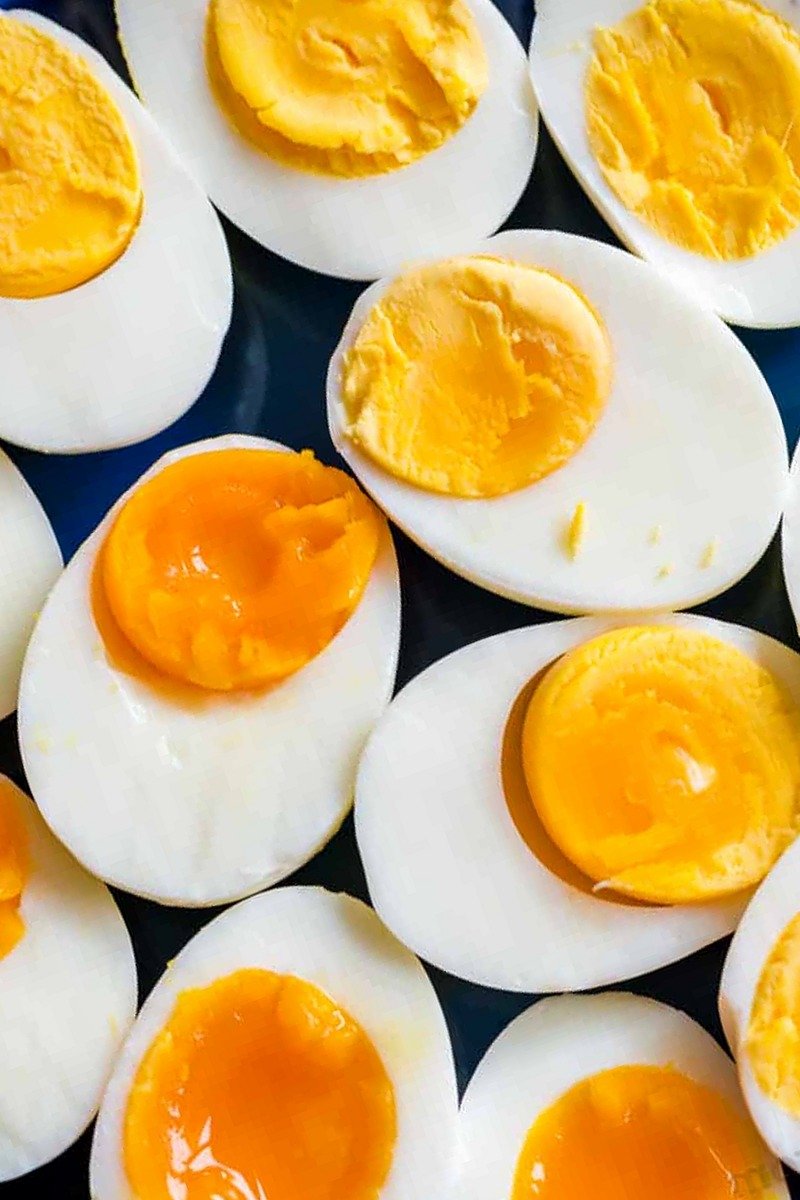
Soft-Boiled with Liquid Center
Boil the eggs for exactly 2 minutes after the water reaches a boil. This results in fully set whites but a completely liquid center. These are ideal for dipping toast soldiers.
Soft-Boiled with Creamy Center
Boil the eggs for 3 minutes for a custard-like, creamy center. The yolk is thickened but still moist and jammy. This texture is highly preferred for ramen toppings.
Medium-Boiled with Moist Center
Boil the eggs for 4 to 5 minutes to achieve a medium-boiled result. The center remains moist and soft but no longer flows. This is a versatile middle-ground for various breakfast dishes.
Hard-Boiled with Soft Center
Boil the eggs for 6 to 7 minutes for a standard hard-boiled egg with a tender center. The yolk is fully set but retains a bright yellow color and soft texture. This is best for salads where you want a creamy bite.
Fully Hard-Boiled with Dry Center
Boil the eggs for 8 to 9 minutes for a firm, dry center. The yolk is completely opaque and crumbly. This version is the best choice for deviled eggs or egg salad where structural stability is needed.
Advanced Peeling Techniques
Begin Peeling at the Wide End
Every egg has a small air pocket located at the wider end of the shell. Start your peeling process here to easily break through the shell and get under the membrane. Once you have access to the membrane, the shell will slide off in larger pieces.
Peel Under Running Cold Water
Hold the egg under a stream of cold running water while peeling. The water pressure helps force its way between the egg white and the membrane. This lubrication makes the shell removal process much smoother and prevents the white from tearing.
Water Additives and Their Practical Uses
Adding Salt to Prevent Leaks
Adding a pinch of salt to the boiling water is a useful precaution. If an egg develops a small crack during the boiling process, the salt helps the egg white coagulate faster. This forms a seal over the crack and reduces the amount of white that leaks into the pot.
Using Vinegar for Shell Removal
Some cooks add a teaspoon of white vinegar to the water to aid in peeling. While the effect is minimal compared to using older eggs, the acid may slightly weaken the calcium in the shell. It remains an optional step depending on your preference.
Storage and Food Safety
Follow Refrigeration Timelines
Hard-boiled eggs must be refrigerated within 2 hours of cooking to maintain safety. Fully hard-boiled eggs stay fresh in the refrigerator for up to 7 days. Soft-boiled eggs have a shorter shelf life and should be consumed within 3 days.
Store Eggs Unpeeled to Prevent Odors
Keep your boiled eggs in their shells until you are ready to use them. The shell acts as a natural barrier that prevents the egg from absorbing smells from other foods in the fridge. If you must peel them in advance, store them in an airtight container to prevent the whites from drying out.
Practical Ways to Use Boiled Eggs
Preparing Classic Egg Salad
Dice firm hard-boiled eggs into small cubes. Mix them with mayonnaise, a touch of mustard, finely chopped celery, and a pinch of salt and pepper for a traditional spread.
Making Guacamole Stuffed Eggs
Slice hard-boiled eggs in half lengthwise and remove the yolks. Mash the yolks with seasoned avocado, lime juice, and salt, then pipe the mixture back into the egg white cavities.
Assembling a Chicken Avocado Salad
Combine grilled chicken breast chunks, diced avocado, and quartered hard-boiled eggs. Toss with a light vinaigrette for a nutrient-dense meal.
Adding Eggs to Potato Salad
Slice hard-boiled eggs into thin rounds. Fold them into boiled potato chunks mixed with a creamy dressing of mayo, chives, and lemon juice.
Creating a Salmon Cobb Salad
Layer fresh greens, smoked salmon, diced cucumber, and halved hard-boiled eggs. Arrange the ingredients in rows for a professional presentation and serve with a creamy dressing.
Troubleshooting Common Issues
Avoiding the Green Ring Around the Yolk
A greenish-grey ring around the yolk is a sign of overcooking. This occurs when hydrogen sulfide gas reacts with iron in the yolk. To prevent this, strictly follow the timing chart and use an ice bath immediately.
Fixing Rubbery Egg Whites
Rubbery whites are caused by exposing the eggs to high heat for too long. Ensure you reduce the heat to a medium boil once the initial rolling boil is achieved. Do not let the eggs boil violently for the duration of the timer.
Dealing with Cracked Shells
If eggs crack frequently, try lowering them into the water more gently with a slotted spoon. Ensure the water is not boiling too violently, as eggs bumping into each other or the side of the pot can cause fractures.
Frequently Asked Questions
Why are my eggs so hard to peel?
This usually happens because the eggs are too fresh or were not cooled sufficiently in an ice bath. Using store-bought eggs and a 5-10 minute soak in ice water typically solves this problem.
Can I boil eggs in a cast iron pot?
You can, but it is not recommended for this specific timing. Cast iron retains heat differently and takes much longer to reach a boil, which can lead to inconsistent internal temperatures.
Do I need to start with hot water?
No, starting with cold water and bringing it to a boil together ensures the egg heats evenly. Starting with boiling water can cause the shells to crack due to the sudden temperature shock.
Print The Comprehensive Guide to Perfectly Boiled Eggs
- Total Time: 10 minutes
- Yield: 8 eggs 1x
- Diet: General
Description
This method for making hard-boiled eggs (or soft boiled eggs) will get you perfect results every time and it’s really easy!
Ingredients
- 8 large eggs, cold from the fridge
- 8 cups cold water
Instructions
- Boil: Place cold eggs in a large 3-quart stainless steel saucepan and cover with cold water so water is 1″ above the surface of the eggs. With the lid off, bring to a rolling boil over high heat.
- Simmer: Once at a boil, reduce heat to keep at a medium boil and set a timer for your desired doneness (see chart below).
- Cool: Prepare your ice water bath, and as soon as the timer is done, transfer the eggs into ice water so they are fully submerged. Once the eggs have cooled, you can refrigerate hard-boiled eggs for up to 7 days or soft-boiled eggs for up to 3 days. Peel when ready to use.
Notes
Hard Boiled Eggs Timing Chart: 2 min (soft boiled, liquid center), 3 min (soft-boiled, creamy center), 4-5 min (medium-boiled, moist soft center), 6-7 min (hard-boiled, soft center), 8-9 min (hard-boiled, firm dry center).
- Prep Time: 0 minutes
- Cook Time: 10 minutes
- Category: Appetizer, Breakfast, Side Dish
- Method: Boiling
- Cuisine: American
Nutrition
- Serving Size: 1 egg
- Calories: 63 kcal
- Sugar: 1 g
- Sodium: 75 mg
- Fat: 4 g
- Saturated Fat: 1 g
- Unsaturated Fat: 3 g
- Trans Fat: 0 g
- Carbohydrates: 1 g
- Fiber: 0 g
- Protein: 6 g
- Cholesterol: 164 mg
Leave a Reply