Mastering the art of boiling eggs ensures you have a versatile protein for salads, snacks, and breakfasts. This method prevents rubbery whites and green yolks for consistent results every time.
List of ingredients
- 8 large eggs (you can use between 6-12 eggs), cold from the refrigerator.
- 8 cups cold water (enough to cover the eggs by 1 inch in a 3-quart saucepan).
step-by-step instructions
- Initial Boil: Place the cold eggs into a large 3-quart stainless steel saucepan. Cover them with cold water so that the water level is 1 inch above the surface of the eggs. Bring the water to a rolling boil over high heat with the lid off.
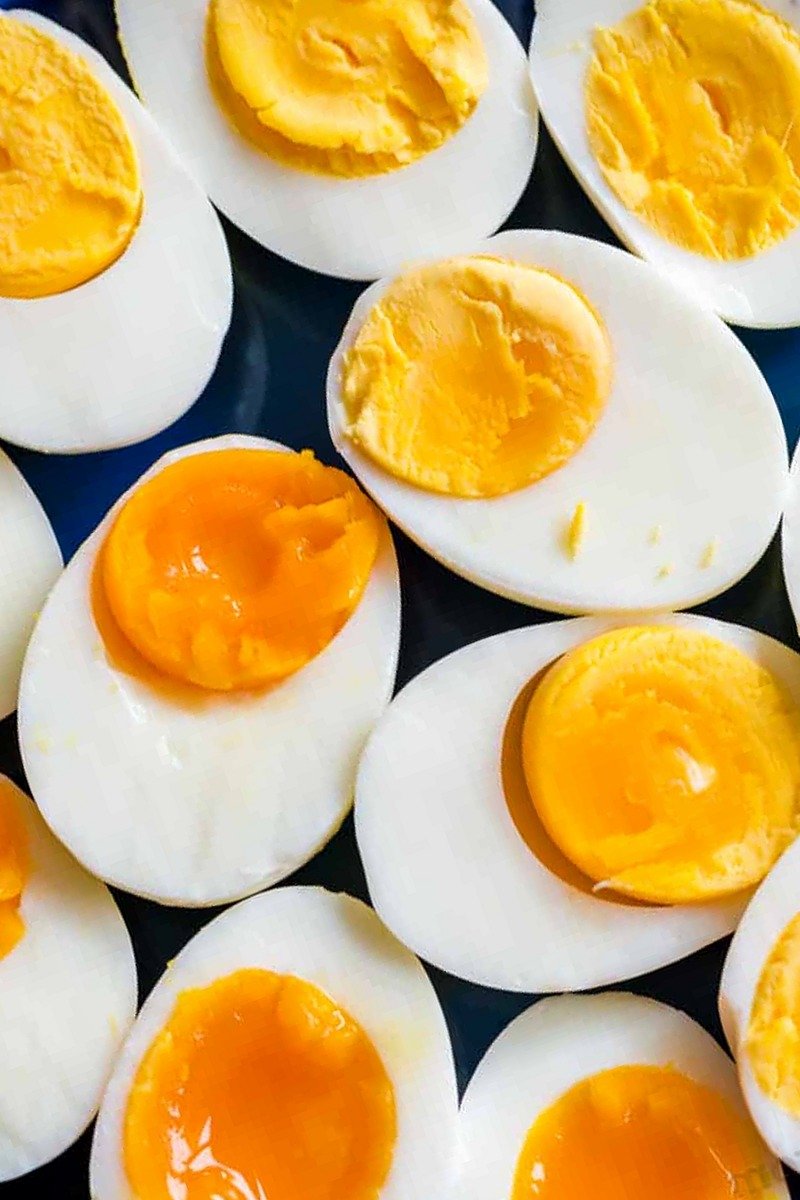
- Timed Simmer: As soon as the water reaches a boil, reduce the heat to maintain a medium boil. Immediately set a timer based on your preferred doneness: 2 minutes for a liquid center, 3 minutes for a creamy center, 4-5 minutes for a moist soft center, 6-7 minutes for a hard-boiled egg with a soft center, or 8-9 minutes for a fully hard-boiled egg with a firm, dry center.
- Ice Bath Cooling: While the eggs are cooking, prepare a bowl of ice water. Once the timer expires, transfer the eggs immediately into the ice water so they are fully submerged. Let them cool completely before refrigerating or peeling.
Optimizing Egg Selection
Use Older Store-Bought Eggs for Easier Peeling
Eggs that have been in the refrigerator for a week or two are significantly easier to peel than farm-fresh eggs. As eggs age, the pH level of the white increases, which weakens the bond between the membrane and the shell. This makes the shell slip off more easily after boiling.
Select Large Grade AA Eggs for Consistency
Standardizing the size of your eggs ensures the timing chart remains accurate. Large Grade AA eggs are the baseline for most professional recipes and provide a consistent volume. Using medium eggs will result in overcooking if you follow the standard timer, while jumbo eggs may remain underdone.
Avoid Using Extremely Fresh Farm Eggs
Fresh eggs from a backyard chicken often have a very strong bond between the shell and the inner membrane. If you must use very fresh eggs, consider using a pressure cooker to help loosen the shell. In a standard pot, these eggs are often the most difficult to peel without tearing the whites.
Essential Equipment Recommendations
Choose a Stainless Steel Saucepan
A 3-quart stainless steel pot provides consistent heat distribution and allows you to see the water level clearly. Avoid using cast iron or heavy clay pots for this specific method, as they take much longer to reach a boil. The delayed heating time in heavier pots can lead to inconsistent results if you are not adjusting your timer carefully.
Prepare the Ice Bath in Advance
Having a bowl of ice and water ready before the timer goes off is critical to stopping the carry-over cooking. If you wait to prepare the bath after the eggs are done, the residual heat will continue to cook the yolk. This often leads to the dreaded green ring around the yolk of hard-boiled eggs.
Keep the Pot Lid Off During Heating
Cooking without a lid allows you to monitor the water precisely so you can start your timer the exact second the water reaches a rolling boil. Lids can trap heat and cause the water to boil over quickly, which might distract you from the timing. Visual confirmation of the boil is the only way to ensure accuracy.
Mastering the Peeling Process
Start Peeling at the Thick End
Every egg has a small air pocket located at the wider end of the shell. By starting your peel here, you can easily get your finger under the membrane and create a starting point for the rest of the shell. This prevents you from having to crack the egg too aggressively, which preserves the shape of the white.
Peel Under Running Cold Water
Holding the egg under a stream of cold running water while peeling helps force water between the membrane and the egg white. This lubrication allows the shell to glide off in larger pieces. It also cleans away any small fragments of shell that might stick to the egg.
Use the Roll-and-Press Technique
Gently roll the cooled egg on a flat surface with light pressure until the shell is covered in fine cracks. Once the shell is shattered, peel from the large end. This method is more efficient than tapping the egg on a counter, as it distributes the cracks evenly across the entire surface.
Proper Storage and Shelf Life
Refrigerate Boiled Eggs Within Two Hours
According to food safety guidelines, boiled eggs should be moved to the refrigerator within two hours of cooking. Leaving them at room temperature for too long increases the risk of bacterial growth. Always ensure they are cooled in an ice bath first to bring them to a safe temperature quickly.
Store Unpeeled Eggs to Prevent Odor Absorption
Keeping the shells on during refrigeration protects the egg from absorbing smells from other foods in the fridge. Shells also act as a barrier that prevents the egg whites from drying out. Hard-boiled eggs kept in their shells will remain fresh for up to 7 days.
Observe Shorter Storage for Soft-Boiled Eggs
Soft-boiled eggs have a more liquid center, making them more susceptible to spoilage than fully hard-boiled eggs. Store soft-boiled eggs in an airtight container in the refrigerator and consume them within 3 days. Always peel them immediately before eating for the best texture.
Practical Serving and Meal Ideas
Prepare a Classic Egg Salad
Dice hard-boiled eggs into small cubes and mix them with mayonnaise, Dijon mustard, and finely chopped celery. This creates a creamy spread that works perfectly on toasted sourdough or in a wrap. Add a pinch of paprika and black pepper to enhance the flavor profile.
Create Guacamole Stuffed Eggs
Slice hard-boiled eggs in half lengthwise and remove the yolks. Mash the yolks with ripe avocado, lime juice, and salt, then pipe the mixture back into the whites. This is a high-protein alternative to traditional deviled eggs that adds a rich, buttery texture.
Add Protein to a Cobb Salad
Quarter your hard-boiled eggs and place them atop a bed of mixed greens, diced chicken, avocado, and tomatoes. The firm yolk of an 8-minute egg provides a great contrast to the crisp vegetables. Use a light vinaigrette to balance the richness of the egg.
Incorporate Eggs into Potato Salad
Roughly chop hard-boiled eggs and fold them into a mixture of boiled potatoes, red onions, and a creamy dressing. The eggs add a velvety consistency to the salad that binds the potatoes together. Ensure the eggs are fully chilled before adding them to the potato mixture.
Use Soft-Boiled Eggs for Avocado Toast
Boil your eggs for 6-7 minutes to achieve a jammy, soft center. Slice the egg in half and place it over smashed avocado on a piece of whole-grain toast. The liquid yolk acts as a natural sauce for the toast and avocado.
Troubleshooting Common Issues
How to Avoid the Green Ring Around the Yolk
The green or grey ring is a sign of overcooking, caused by a reaction between sulfur in the white and iron in the yolk. To prevent this, strictly follow the timing chart and move the eggs to an ice bath immediately. The rapid cooling stops the chemical reaction and keeps the yolk bright yellow.
Preventing Eggs from Cracking During Boiling
Adding a pinch of salt to the water can help seal small cracks that may occur as the eggs bump into each other during the boil. While it won’t stop every crack, it reduces the amount of egg white that leaks into the water. To further prevent cracking, ensure the eggs are not crowded in the pan.
Fixing Rubbery Egg Whites
Rubbery whites are the result of boiling eggs for too long or using too high a heat during the simmering phase. Once the water boils, reducing the heat to a medium boil is essential. If your whites are consistently rubbery, try reducing your timer by one minute.
Common Questions About Boiling Eggs
Is adding vinegar necessary for peeling?
Adding vinegar to the boiling water is a common suggestion, but the difference in peeling ease is minimal. While some believe it helps soften the shell, the age of the egg and the ice bath are much more influential factors. It remains an optional step based on personal preference.
Can I boil eggs in a cast iron pot?
You can, but it is not recommended for this specific timing method. Cast iron holds heat differently and takes much longer to reach a boil than stainless steel. This can alter the total time the egg is exposed to heat, potentially leading to overcooked eggs.
How do I know if an egg is still raw or boiled?
If you have a mix of raw and boiled eggs in your fridge, use the spin test. Place the egg on a flat surface and spin it like a top. A hard-boiled egg will spin quickly and smoothly, while a raw egg will wobble and spin slowly because the liquid center shifts inside.
Can I freeze hard-boiled eggs?
No, you should not freeze hard-boiled eggs. Freezing changes the molecular structure of the egg white, turning it rubbery and watery upon thawing. Always store them in the refrigerator and consume them within the recommended timeframes.
Print How to Make Perfect Hard Boiled Eggs
- Total Time: 10 minutes
- Yield: 8 eggs 1x
- Diet: General
Description
This method for making hard-boiled eggs (or soft boiled eggs) will get you perfect results every time and it’s really easy!
Ingredients
- 8 large eggs, cold from the fridge
- 8 cups cold water
Instructions
- Step: Place cold eggs in a large 3-quart stainless steel saucepan and cover with cold water so water is 1″ above the surface of the eggs. With the lid off, bring to a rolling boil over high heat.
- Step: Once at a boil, reduce heat to keep at a medium boil and set a timer for your desired doneness (see chart below).
- Step: Prepare your ice water bath, and as soon as the timer is done, transfer the eggs into ice water so they are fully submerged.
- Step: Once the eggs have cooled, you can refrigerate hard-boiled eggs for up to 7 days or soft-boiled eggs for up to 3 days. Peel when ready to use.
Notes
Hard Boiled Eggs Timing Chart: Boil 2 min: soft boiled with a liquid center; Boil 3 min: soft-boiled with a creamy center; Boil 4-5 min: medium-boiled with a moist, soft center; Boil 6-7 min: hard-boiled eggs with a soft center; Boil 8-9 min: hard-boiled eggs with firm dry center.
- Prep Time: 0 minutes
- Cook Time: 10 minutes
- Category: Appetizer, Breakfast, Side Dish
- Method: Boiling
- Cuisine: American
Nutrition
- Serving Size: 1 egg
- Calories: 63 kcal
- Sugar: 1 g
- Sodium: 75 mg
- Fat: 4 g
- Saturated Fat: 1 g
- Unsaturated Fat: 3 g
- Trans Fat: 0 g
- Carbohydrates: 1 g
- Fiber: 0 g
- Protein: 6 g
- Cholesterol: 164 mg
Leave a Reply