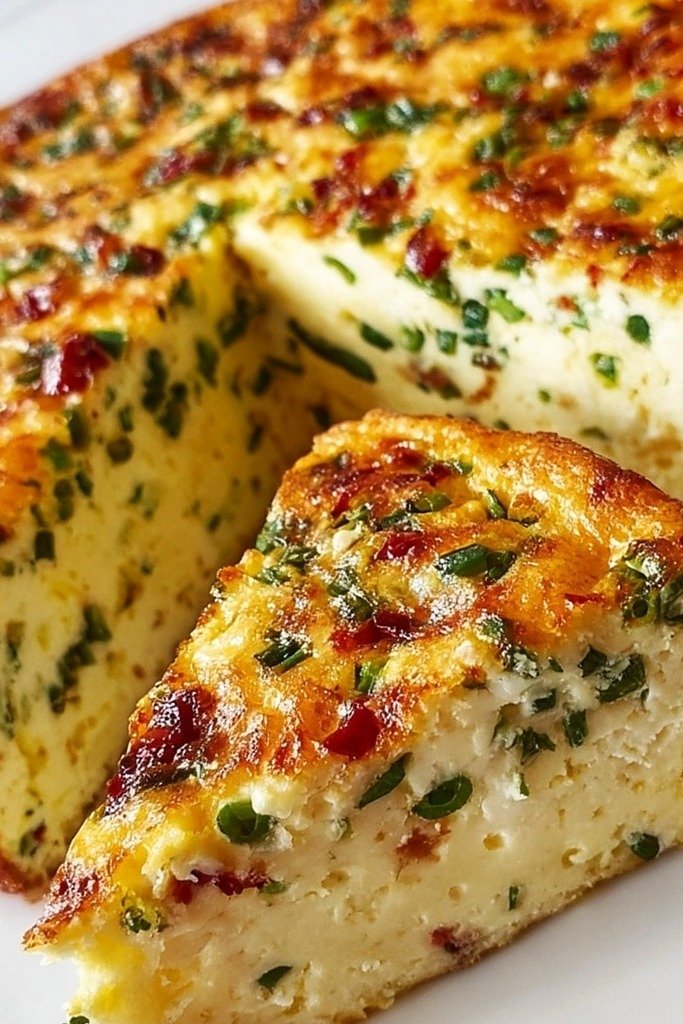
This crustless quiche is a nutrient-dense option that replaces traditional pastry with a creamy cottage cheese base. It is an efficient meal for breakfast or dinner and can be easily customized with various vegetables.
List of ingredients
- 6 large eggs – provides the necessary structure and binding.
- 1 cup whole milk cottage cheese – creates a creamy texture and adds moisture.
- 1/4 tsp salt – enhances the natural flavors of the eggs and vegetables.
- 1/4 tsp ground black pepper – adds a mild spicy note to balance the richness.
- 1/2 cup grated cheese (optional) – use cheddar or mozzarella for additional savory depth.
- Up to 1 cup choice of vegetables and proteins – recommended options include bell peppers, spinach, mushrooms, or turkey bacon.
step-by-step instructions
- Preheat Oven: Set your oven to 350°F (175°C) to ensure the dish cooks evenly from the edges to the center.
- Prepare Baking Dish: Lightly spray a 9-inch baking dish with cooking oil to prevent the eggs from sticking to the sides.
- Blend Base: Combine eggs, cottage cheese, salt, and pepper in a blender or food processor. Blend until the mixture is completely smooth and unified.
- Incorporate Fillings: Stir in the grated cheese and your selected vegetables and proteins by hand. Ensure ingredients are distributed evenly throughout the batter.
- Fill Dish: Pour the mixture into the prepared 9-inch dish, spreading it to the edges with a spatula.
- Bake: Bake for approximately 45 minutes. The quiche is done when the edges are golden brown and the center is fully set.
- Set and Cool: Remove from the oven and let it rest for a few minutes. This allows the custard to firm up for cleaner slicing.
Optimizing Vegetable Selection
Choosing the right vegetables is key to avoiding a watery quiche. Root vegetables like carrots or potatoes should be pre-cooked or thinly sliced to ensure they soften during the 45-minute bake time.
Leafy greens such as spinach or kale release significant moisture. Sauté these greens first and squeeze out excess water before adding them to the egg mixture to prevent the quiche from becoming soggy.
Bell peppers, onions, and zucchini work well when diced into small, uniform pieces. This ensures that every slice contains a balanced variety of vegetables and that they cook through simultaneously.
Mushrooms contain a high percentage of water. Sautéing them in a pan until the liquid evaporates prevents them from leaking moisture into the egg custard during baking.
Cheese Pairing Guide
While grated cheddar is a classic choice, other cheeses can alter the flavor profile. Sharp cheddar provides a bold, salty taste that cuts through the creaminess of the cottage cheese.
Mozzarella is ideal for those who prefer a milder flavor and a slightly stretchier texture. It pairs particularly well with tomato and basil vegetable combinations.
Feta or goat cheese adds a tangy, salty dimension to the dish. If using these, reduce the added salt in the recipe to account for the naturally high sodium content of these cheeses.
Swiss or Gruyere offers a nutty aroma and a sophisticated taste. These are excellent pairings if you are using mushrooms or smoked turkey as your protein source.
Protein Substitution Options
To keep this recipe protein-rich, consider using diced smoked turkey or turkey bacon. These alternatives provide a savory, smoky flavor without using pork products.
Cooked chicken breast, diced into small cubes, adds substantial heartiness. Season the chicken with paprika or garlic powder before adding it to the mix for extra flavor.
For a vegetarian version, omit the meat and increase the amount of vegetables. Adding extra chickpeas or diced tofu can provide a similar protein boost to the dish.
Ensure all proteins are fully cooked before adding them to the egg mixture. The baking time for the quiche is intended to set the eggs, not to cook raw meats through.
Mastering Texture and Consistency
The use of a blender is the most effective way to achieve a professional, custard-like texture. Blending the cottage cheese removes the curds, resulting in a smooth, homogenous base.
If you prefer a chunkier, more rustic texture, you can whisk the ingredients by hand. However, the final result will be less like a traditional quiche and more like a baked frittata.
To avoid overcooking, use the jiggle test. Gently shake the pan; the edges should be firm, but the very center should have a slight, slow wobble.
Avoid opening the oven door too frequently. This allows heat to escape and can lead to an uneven rise or a longer cooking time than the recommended 45 minutes.
Serving and Presentation Ideas
Garnish the sliced quiche with fresh herbs like chopped parsley, chives, or dill. This adds a pop of color and a fresh contrast to the rich, baked eggs.
Pair the quiche with a side of fresh greens. A simple arugula salad with a lemon-olive oil vinaigrette provides acidity that balances the creaminess of the cottage cheese.
For a brunch spread, serve the quiche alongside fresh seasonal berries or sliced melon. The sweetness of the fruit complements the savory notes of the cheese and vegetables.
To present the dish formally, slice it into eight equal wedges. Place each wedge on a plate and drizzle a small amount of extra virgin olive oil over the top for a polished look.
Storage and Shelf Life
Store leftover quiche in an airtight glass or plastic container. This prevents the eggs from absorbing other odors in the refrigerator and keeps the edges from drying out.
Refrigerated quiche remains fresh and safe to eat for up to three days. Ensure the dish is cooled completely before sealing the lid to avoid condensation buildup.
If you notice moisture forming on the surface of the quiche in the fridge, gently pat it dry with a paper towel before reheating to maintain the texture.
Avoid leaving the quiche at room temperature for more than two hours. Because of the dairy and egg content, it is highly perishable and requires consistent refrigeration.
Freezing and Thawing Instructions
This crustless quiche freezes exceptionally well. Wrap individual slices tightly in plastic wrap or parchment paper to prevent freezer burn and sticking.
Place the wrapped slices into a heavy-duty freezer bag, removing as much air as possible. The quiche will maintain its quality for up to two months in the freezer.
To thaw, move a slice from the freezer to the refrigerator overnight. This gradual thawing process preserves the structural integrity of the egg custard.
If you are in a hurry, you can thaw a slice using the defrost setting on a microwave. Avoid thawing at room temperature to ensure food safety.
Reheating Guidelines
For the best texture, reheat slices in the oven at 325°F (160°C) for 10 to 15 minutes. This helps the quiche regain its firmness without becoming rubbery.
When using a microwave, place the slice on a microwave-safe plate and cover it with a damp paper towel. Heat in 30-second intervals to avoid overcooking the eggs.
Avoid reheating the quiche on high power for long periods. Overheating eggs causes them to release water (syneresis), which makes the quiche weep and become spongy.
If reheating a large portion in the oven, cover the dish with foil for the first 10 minutes to trap moisture, then remove it to crisp the top.
Troubleshooting Common Baking Problems
If the quiche is too soggy, it is likely due to excess moisture in the vegetables. Always sauté water-heavy vegetables like spinach and zucchini before adding them to the batter.
If the top is browning too quickly but the center is still liquid, lower the oven temperature by 25°F. You can also loosely cover the dish with aluminum foil to protect the surface.
A rubbery texture is usually a sign of overcooking. Stick to the 45-minute guideline and remove the dish as soon as the center is set but slightly jiggly.
If the quiche doesn’t slice cleanly, it was likely cut while too hot. Allow the quiche to rest for at least 10 to 15 minutes to allow the proteins to stabilize.
Meal Prep and Batch Cooking Advice
For individual portion control, bake the mixture in greased muffin tins instead of a 9-inch dish. These mini-quiches typically bake faster, usually in 20 to 25 minutes.
You can prepare the blended egg and cottage cheese base a day in advance. Store the base in a sealed jar in the fridge, then stir in your fresh vegetables just before baking.
When meal prepping for the week, bake two different variations. Use one for a veggie-heavy option and another with turkey protein to keep your meals varied.
Label your freezer bags with the date and the specific fillings used. This helps in managing your inventory and ensures you use the oldest slices first.
Print Protein-Packed Cottage Cheese Crustless Quiche
- Total Time: 1 hour
- Yield: 8 servings 1x
- Diet: Low Calorie
Description
This Cottage Cheese Crustless Quiche is a protein-packed, low-carb dish perfect for breakfast, brunch, or a light dinner. Featuring a smooth blend of eggs and cottage cheese, combined with your choice of vegetables and proteins, this quiche offers a creamy texture without the added calories of a crust.
Ingredients
- 6 large eggs
- 1 cup whole milk cottage cheese
- 1/4 tsp salt
- 1/4 tsp ground black pepper
- 1/2 cup grated cheese (optional)
- Up to 1 cup choice of vegetables and proteins (bell peppers, spinach, mushrooms, turkey bacon, or turkey ham)
Instructions
- Step: Preheat your oven to 350°F (175°C) to ensure it is at the right temperature for baking the quiche evenly.
- Step: Spray a 9-inch baking dish with oil to prevent sticking and make for easy cleanup.
- Step: In a blender or food processor, combine the eggs, cottage cheese, salt, and pepper. Blend until smooth and creamy to create the quiche base.
- Step: Stir in the grated cheese and your selected vegetables and proteins. Mix thoroughly to ensure an even distribution of flavors and ingredients.
- Step: Pour the blended mixture into the prepared baking dish, spreading it evenly.
- Step: Bake in the preheated oven for about 45 minutes, or until the center is fully set and the edges turn golden brown, indicating it is cooked through.
- Step: Remove from the oven and allow the quiche to cool slightly before slicing. This helps it to set further and makes serving easier.
Notes
You can customize your quiche with any vegetables or proteins you prefer, such as onions, tomatoes, or cooked turkey sausage. For a lower-fat version, use low-fat or non-fat cottage cheese and omit the grated cheese. This quiche can be prepared a day in advance and reheated in the oven or microwave for convenience.
- Prep Time: 15 minutes
- Cook Time: 45 minutes
- Category: Breakfast
- Method: Baking
- Cuisine: American
Nutrition
- Serving Size: 1 slice
- Calories: 140 kcal
- Sugar: 3 g
- Sodium: 350 mg
- Fat: 8 g
- Saturated Fat: 3 g
- Unsaturated Fat: 5 g
- Trans Fat: 0 g
- Carbohydrates: 4 g
- Fiber: 1 g
- Protein: 11 g
- Cholesterol: 90 mg
Leave a Reply